John F. Kennedy, Robert Frost, and Washington College
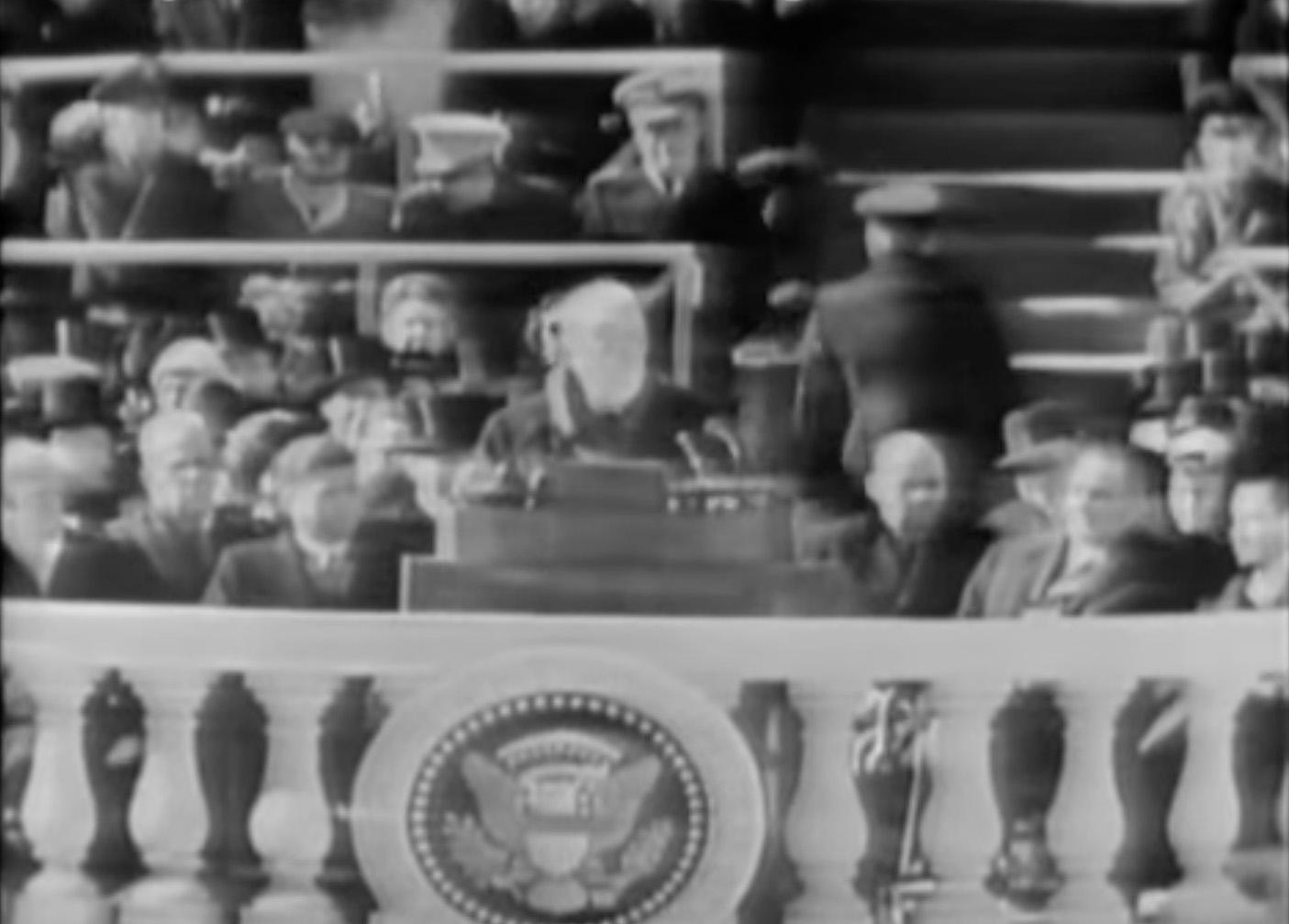
The first poet invited to speak at a Presidential inauguration, and the President who invited him, both have a connection to Washington College.
Arts and Politics are amazingly intertwined. The current administration's impact on art and cultural institutions has been overshadowed by the constant stream of news headlines. Funding pulled from grant institutions like the Institute of Museums and Library Services, rewriting and changes to Smithsonian and National Parks exhibits, and the “renaming” of the Kennedy Center may seem less urgent than issues like immigration enforcement and foreign relations, but they speak to the importance of culture and who controls it. Art is often seen as subversive to politics, a way to speak truth to power, hold up a mirror to society, and shine light on corruption. These are necessary for democracy and have given us amazingly strong pieces to inspire future generations. Artists like Banksy, Keith Haring, Picasso, and Shepard Fairey have all given us works that spoke out against government overreach and exclusion. But more often than not, art serves to prop up and endorse a political movement or party. While Shepard Fairey has made works in support of political protest, his “Hope” poster became a representation of Barack Obama's first presidency. Paintings that now hang in museums and will be highlighted during the 250th anniversary of the United States celebrations will be epic pieces commemorating the political victors. Washington Crossing the Delaware, the statue of the flag raising at Iwo Jima, and even our National Anthem are all works that are designed to enforce the idea of the United States. Culture in all forms is as important to political discourse.
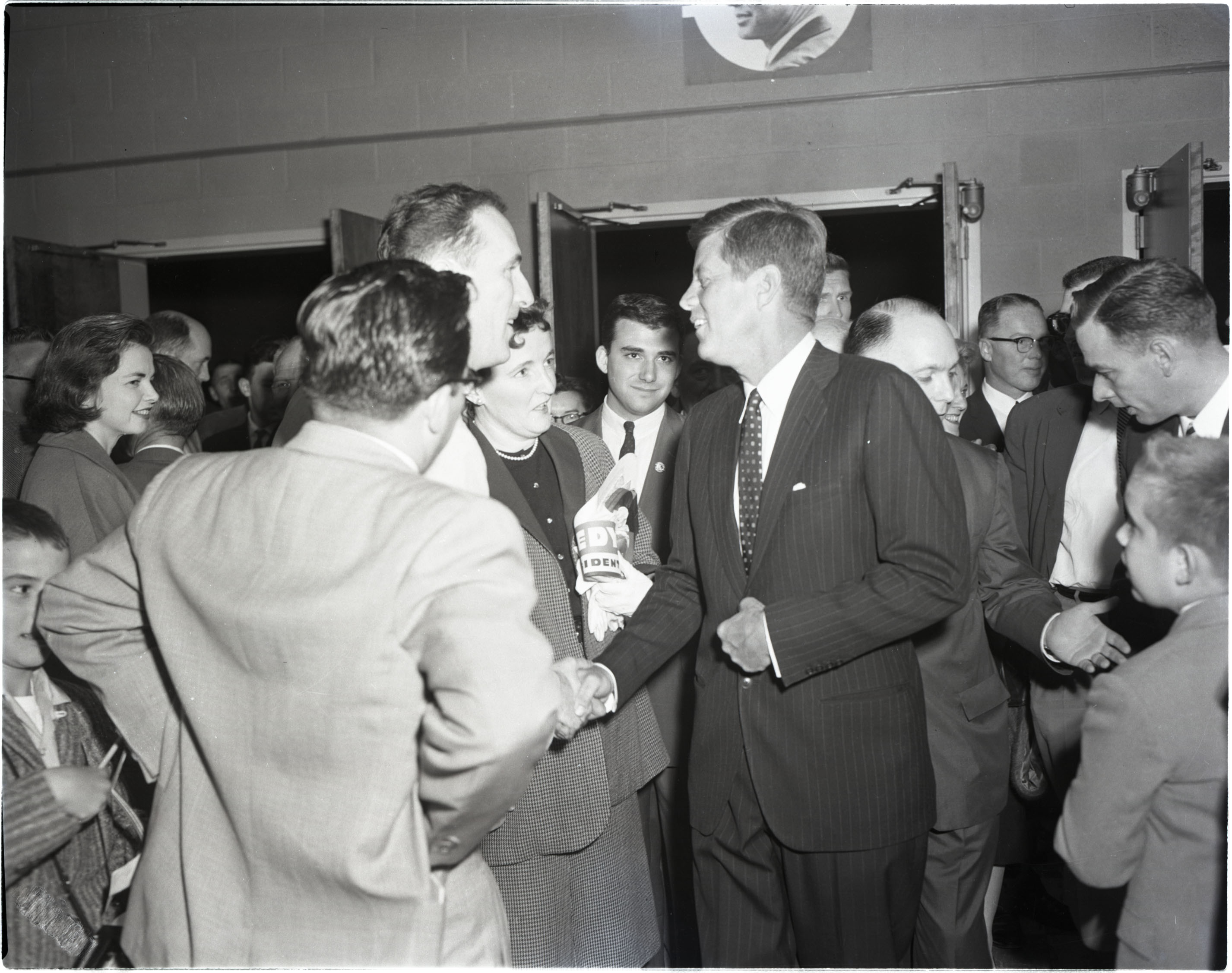 In May of 1960, John F. Kennedy made a campaign stop to speak at Washington College.
His speech focused on disarmament. Kennedy beat Nixon for the Presidency that November.
For his inauguration in January of 1961, Kennedy requested Robert Frost to read his
poem “The Gift Outright” at the event. Frost had been a supporter of Kennedy and actively campaigned for him. This was
the first time a poet spoke at an inauguration; this was facilitated by Kennedy's
future Secretary of the Interior, Stewart L. Udall. Udall would go on to speak at
Washington College's 1969 commencement. Frost had written a poem specifically for
the event “Dedication,” also called “For John F. Kennedy's Inauguration,” which was meant to be read as
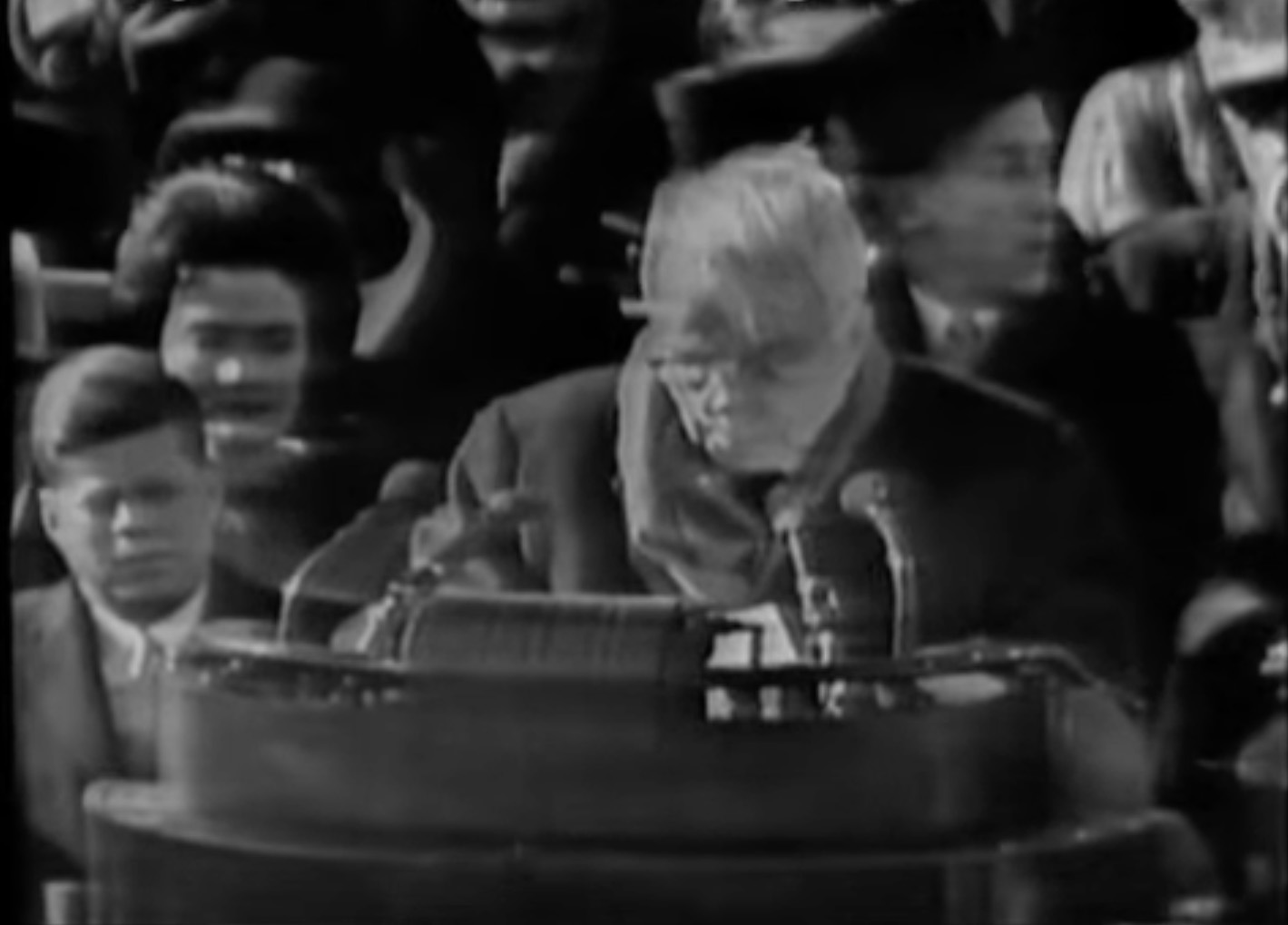
a preface for “The Gift Outright.” However, the glare of the sun that day made it
difficult for Frost to read, after fumbling the first few lines, and an attempt by
Vice President Johnson to shield the sun, Frost stopped and recited “The Gift Outright”
from memory. The notated copy of “Dedication” from that day was handed to Udall by
Frost; Udall gifted it to the Library of Congress.
In May of 1960, John F. Kennedy made a campaign stop to speak at Washington College.
His speech focused on disarmament. Kennedy beat Nixon for the Presidency that November.
For his inauguration in January of 1961, Kennedy requested Robert Frost to read his
poem “The Gift Outright” at the event. Frost had been a supporter of Kennedy and actively campaigned for him. This was
the first time a poet spoke at an inauguration; this was facilitated by Kennedy's
future Secretary of the Interior, Stewart L. Udall. Udall would go on to speak at
Washington College's 1969 commencement. Frost had written a poem specifically for
the event “Dedication,” also called “For John F. Kennedy's Inauguration,” which was meant to be read as
a preface for “The Gift Outright.” However, the glare of the sun that day made it
difficult for Frost to read, after fumbling the first few lines, and an attempt by
Vice President Johnson to shield the sun, Frost stopped and recited “The Gift Outright”
from memory. The notated copy of “Dedication” from that day was handed to Udall by
Frost; Udall gifted it to the Library of Congress.
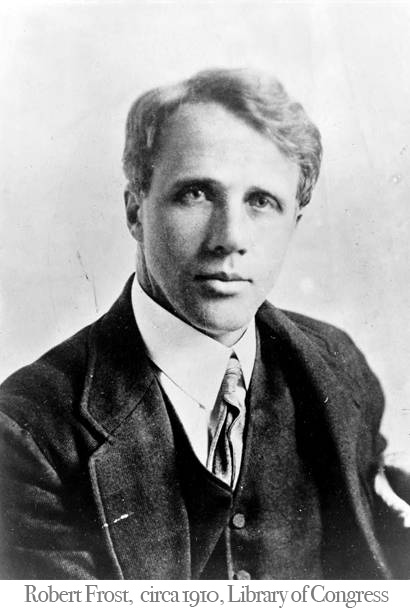 “The Gift Outright” was written in 1941 and expounds the grand history of the country;
it is a patriotic tribute. At the 1961 inauguration, it was met with cheers and seemed
to cement the coming “Camelot” of the Kennedy administration. While this poem is not
overtly political, it was used to reinforce the feeling of national strength at a
transitional point. Kennedy had even requested small edits to the poem, changing tenses
so it was no longer about the formation of the United States but rather one projecting
those ideals into the future. Since Frost recited the poem from memory, all but one
of the requested edits did not happen. Today, the patriotic fervor of the poem has
come under re-examination as it excludes those often overlooked by history, especially
the Native American community. It perpetuates the myth of the valiant white man claiming
the land and country that Destiny has set aside for him.
“The Gift Outright” was written in 1941 and expounds the grand history of the country;
it is a patriotic tribute. At the 1961 inauguration, it was met with cheers and seemed
to cement the coming “Camelot” of the Kennedy administration. While this poem is not
overtly political, it was used to reinforce the feeling of national strength at a
transitional point. Kennedy had even requested small edits to the poem, changing tenses
so it was no longer about the formation of the United States but rather one projecting
those ideals into the future. Since Frost recited the poem from memory, all but one
of the requested edits did not happen. Today, the patriotic fervor of the poem has
come under re-examination as it excludes those often overlooked by history, especially
the Native American community. It perpetuates the myth of the valiant white man claiming
the land and country that Destiny has set aside for him.
 Since 1961, only three other Presidents have had poets speak at their inaugural events.
The first reading since Kennedy was Bill Clinton, who requested Maya Angelou read
“On the Pulse of the Morning” in 1993, and Miller Williams read “Of History and Hope” in 1997. Barack Obama invited Elizabeth Alexander to read “Praise Song for the Day” in 2009, and in 2013 Richard Blanco read “One Today.” Most recently, Amanda Gorman read “The Hill We Climb” at Joe Biden's 2021 inauguration.
Since 1961, only three other Presidents have had poets speak at their inaugural events.
The first reading since Kennedy was Bill Clinton, who requested Maya Angelou read
“On the Pulse of the Morning” in 1993, and Miller Williams read “Of History and Hope” in 1997. Barack Obama invited Elizabeth Alexander to read “Praise Song for the Day” in 2009, and in 2013 Richard Blanco read “One Today.” Most recently, Amanda Gorman read “The Hill We Climb” at Joe Biden's 2021 inauguration.
 What is Robert Frost's connection to Washington College, besides his influence on
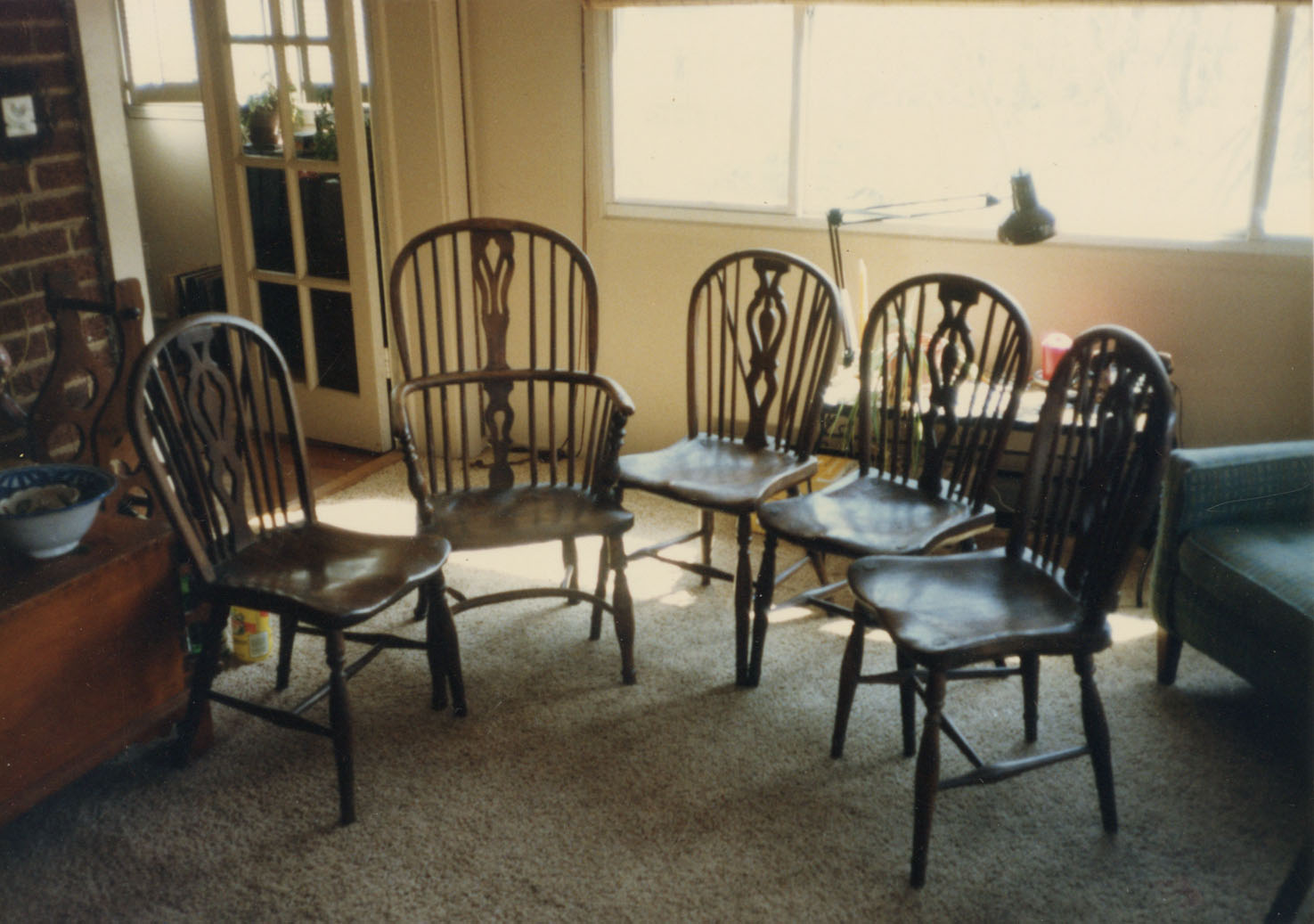
the English department? Well, in 1988, Lesley Francis donated a set of wooden Windsor
back chairs once owned by Frost to the College. They are now in the Hynson-Ringgold
House, home of the President. Sometimes they are in the kitchen, and one or two are
in the guest rooms. These unassuming Windsor chairs are the epitome of New England
simplicity. They seem to represent the quiet, contemplative life portrayed in Frost's
poetry.
What is Robert Frost's connection to Washington College, besides his influence on
the English department? Well, in 1988, Lesley Francis donated a set of wooden Windsor
back chairs once owned by Frost to the College. They are now in the Hynson-Ringgold
House, home of the President. Sometimes they are in the kitchen, and one or two are
in the guest rooms. These unassuming Windsor chairs are the epitome of New England
simplicity. They seem to represent the quiet, contemplative life portrayed in Frost's
poetry.