Spring Break!
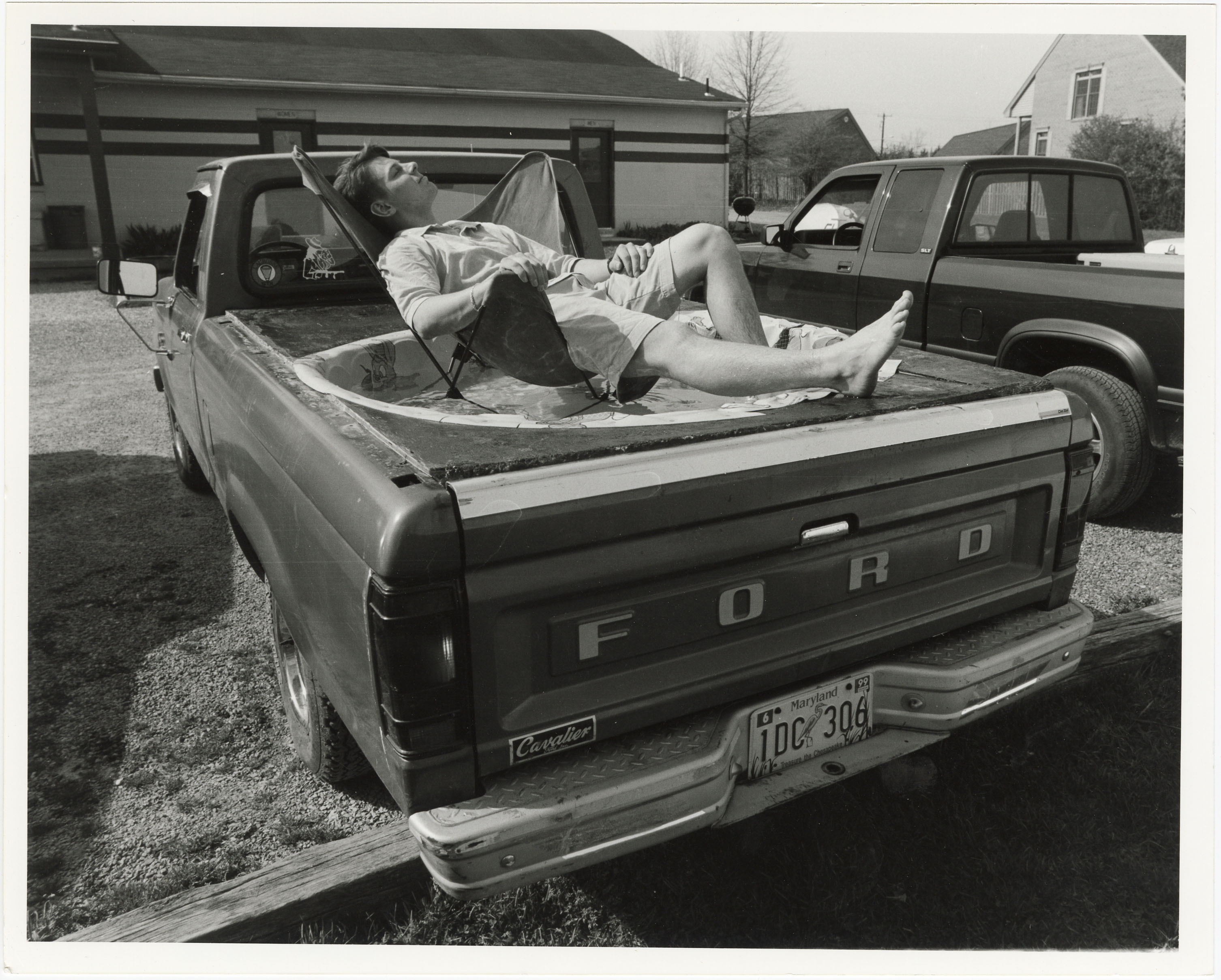
Ah, spring break, a rite of passage for every college student in the nation. But, how do you spend it?
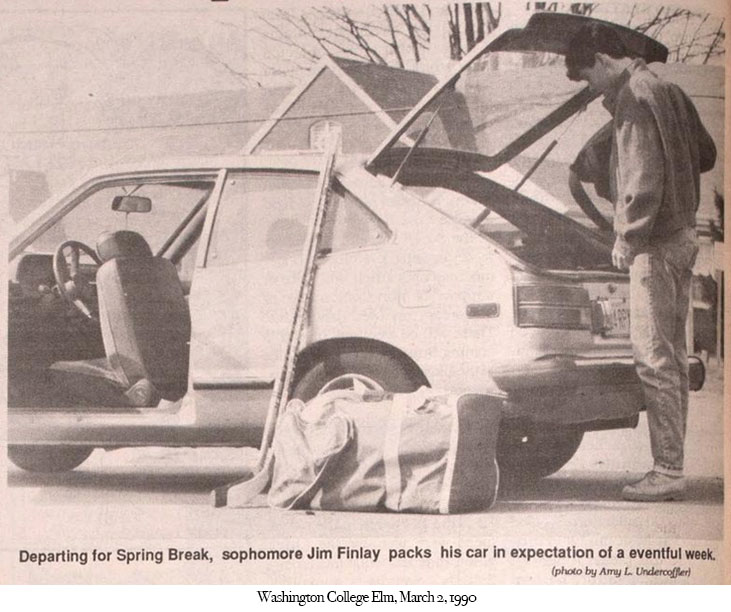 Most students think of this time as a chance to travel, most likely to warmer climates.
This 1990 guide from the Elm discusses the various good reasons for traveling to Hawaii, Mexico, Jamaica, the
Bahamas, and St. Thomas in the U.S. Virgin Islands, as if you needed convincing. The
helpful guide says that St. Thomas is the best for those of us balancing our budget
with the price of tuition.
Most students think of this time as a chance to travel, most likely to warmer climates.
This 1990 guide from the Elm discusses the various good reasons for traveling to Hawaii, Mexico, Jamaica, the
Bahamas, and St. Thomas in the U.S. Virgin Islands, as if you needed convincing. The
helpful guide says that St. Thomas is the best for those of us balancing our budget
with the price of tuition.
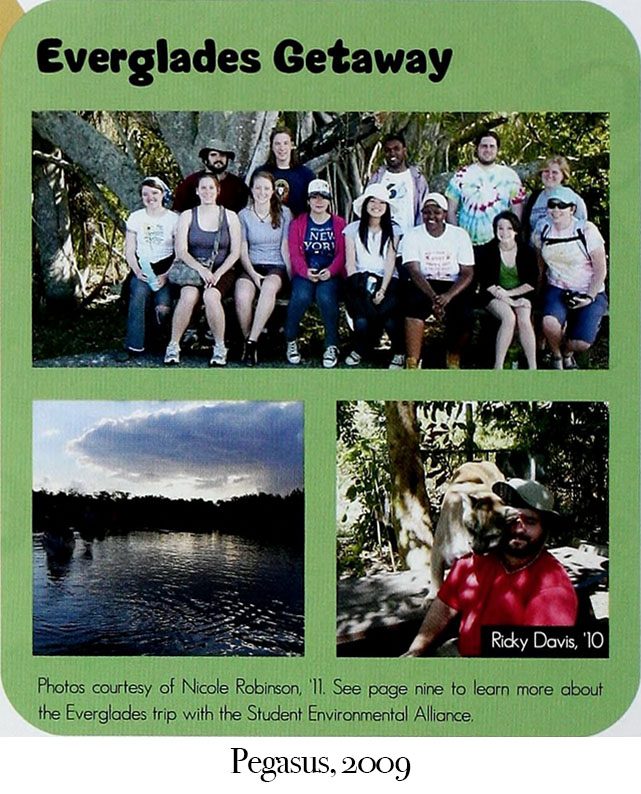
Some students use the time to travel and do experiential learning. Professor Lisa Daniels traveled to Bangladesh for research during spring break in 2003, students in Chemistry traveled to San Diego for a conference to share their research in a poster presentation in 1994, and in 2009, the Student Environmental Alliance (SEA) took an environmentally conscious trip to the Everglades, where they camped and took cold showers for their Spring Break.
 Some of us plan to get work done or catch up on homework during spring break, but
that doesn't always go as planned. In the early 70s, before the Rose O'Neill Literary
House, several students, led by a cowboy professor, Bob Day, worked and wrote in Richmond
House. Danny Williams, the student editor of the Washington College Review, was hard
at work on a long-form poem and decided to stay on campus and tackle it during spring
break. Unfortunately, as we know as writers, the lack of pressure for a writing assignment
can sometimes lead to listlessness. Danny spent the break working on a tank model instead.
Some of us plan to get work done or catch up on homework during spring break, but
that doesn't always go as planned. In the early 70s, before the Rose O'Neill Literary
House, several students, led by a cowboy professor, Bob Day, worked and wrote in Richmond
House. Danny Williams, the student editor of the Washington College Review, was hard
at work on a long-form poem and decided to stay on campus and tackle it during spring
break. Unfortunately, as we know as writers, the lack of pressure for a writing assignment
can sometimes lead to listlessness. Danny spent the break working on a tank model instead.
For years now, Washington College Baseball has spent spring break down in Florida playing with other D3 teams. The 1983 team used the trip to gain momentum in a future three game streak.
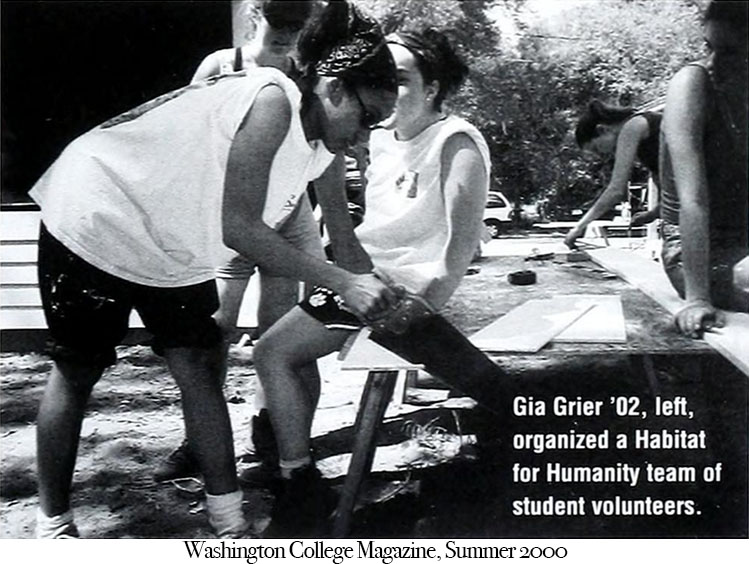 Sports not your thing? What about community service? In 2000, a group of ten students from Washington College traveled to Florida to help build a house for a family. Or
you can spend your time on community activism. As reported by the Crab (a short-lived newsletter rivaling the Elm) in 1974, student Peter DeSelding spent
his spring break attempting to get students involved in a non-partisan political group.
Sports not your thing? What about community service? In 2000, a group of ten students from Washington College traveled to Florida to help build a house for a family. Or
you can spend your time on community activism. As reported by the Crab (a short-lived newsletter rivaling the Elm) in 1974, student Peter DeSelding spent
his spring break attempting to get students involved in a non-partisan political group.
Whether it's beaches, research trips and conferences, writing ambitions that go delightfully off the rails, athletic traditions, or service and activism, spring break at Washington College has never been just one thing. Over the decades, students have used the week to occasionally surprise themselves. Spring break is less about escaping campus and more about choosing, in whatever way fits the moment, how to spend a rare stretch of unscheduled time.