The Occupation of Philadelphia
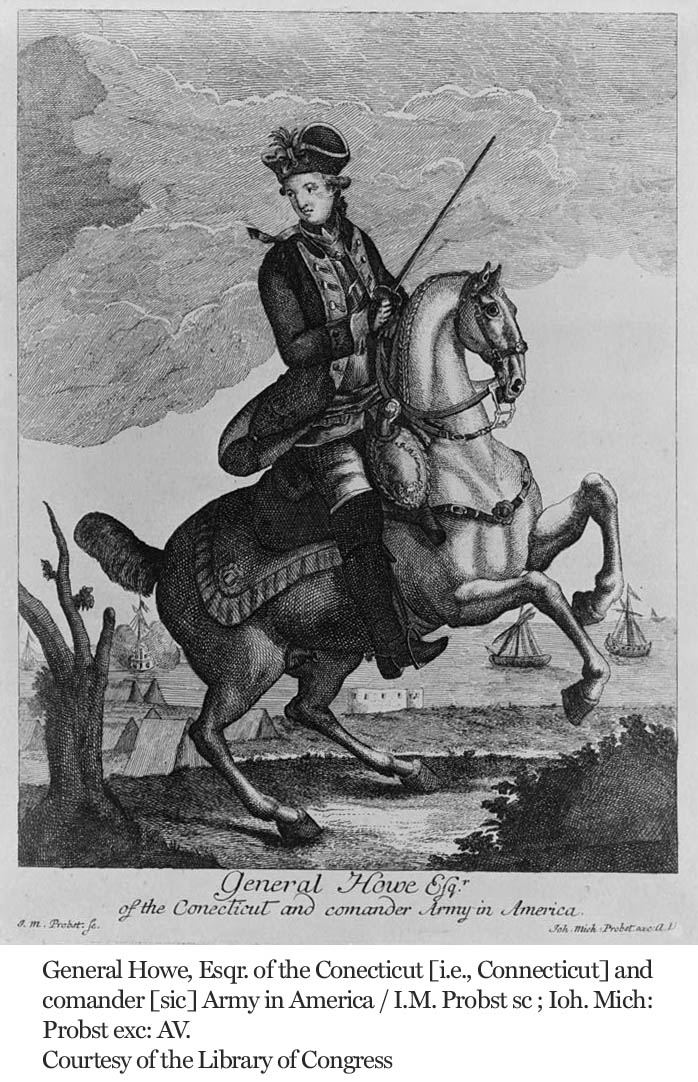
On September 26, 1777, the British, led by General Howe, marched into the new American capital of Philadelphia. Was this really a victory for the British?
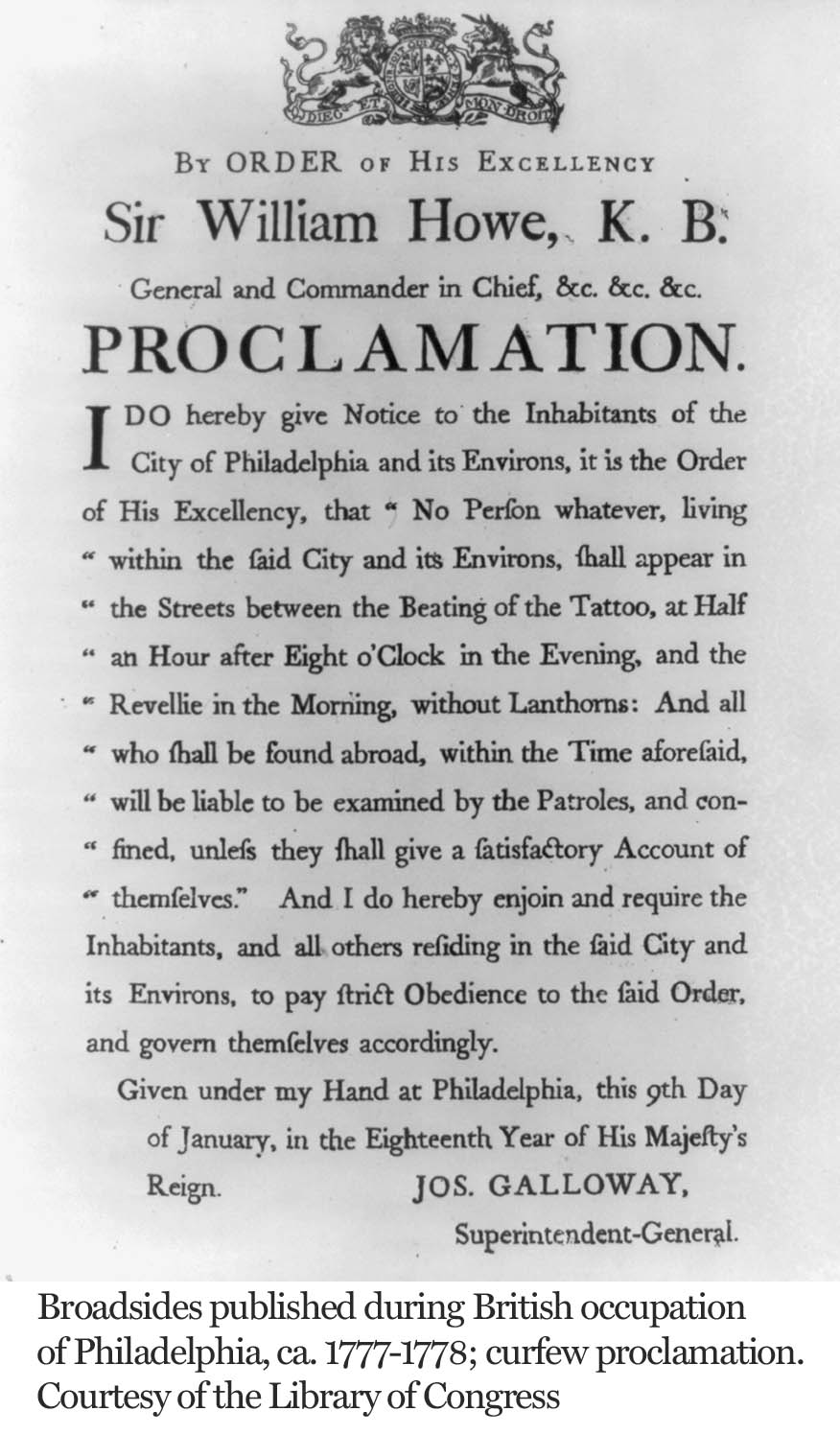 Shortly after the Battle of Brandywine, Philadelphia was under British control. Normally,
when the capital falls to enemy control and the provisional government is forced to
flee, this heralds the end of the conflict. This was far from the case in the American
Revolution; there were still six more years of bloodshed to come. Howe moving to take
Philadelphia was its own turning point; the original plan was for Howe to support
General Burgoyne in taking total control of New England. By moving his forces south
to the Mid-Atlantic instead of up the Hudson from New York, he divided and stretched
the British forces thin. Burgoyne would soon have to surrender at Saratoga, New York,
a defeat he firmly laid at Howe’s feet.
Shortly after the Battle of Brandywine, Philadelphia was under British control. Normally,
when the capital falls to enemy control and the provisional government is forced to
flee, this heralds the end of the conflict. This was far from the case in the American
Revolution; there were still six more years of bloodshed to come. Howe moving to take
Philadelphia was its own turning point; the original plan was for Howe to support
General Burgoyne in taking total control of New England. By moving his forces south
to the Mid-Atlantic instead of up the Hudson from New York, he divided and stretched
the British forces thin. Burgoyne would soon have to surrender at Saratoga, New York,
a defeat he firmly laid at Howe’s feet.
There are numerous reasons why Howe would have disregarded the plan. Washington’s Continental Army had retreated from New York, but was beginning to regroup, and Howe wanted to stop this and hopefully crush the Continental Army. Even though Philadelphia was the capital, it was still a divided city. Joseph Galloway, a prominent Loyalist, claimed that more than 75% of the city and surrounding region were still loyal to England. Other reasons have been more personal, either Howe’s own doubt about being able to succeed in the New England plan or a dislike of General Burgoyne.
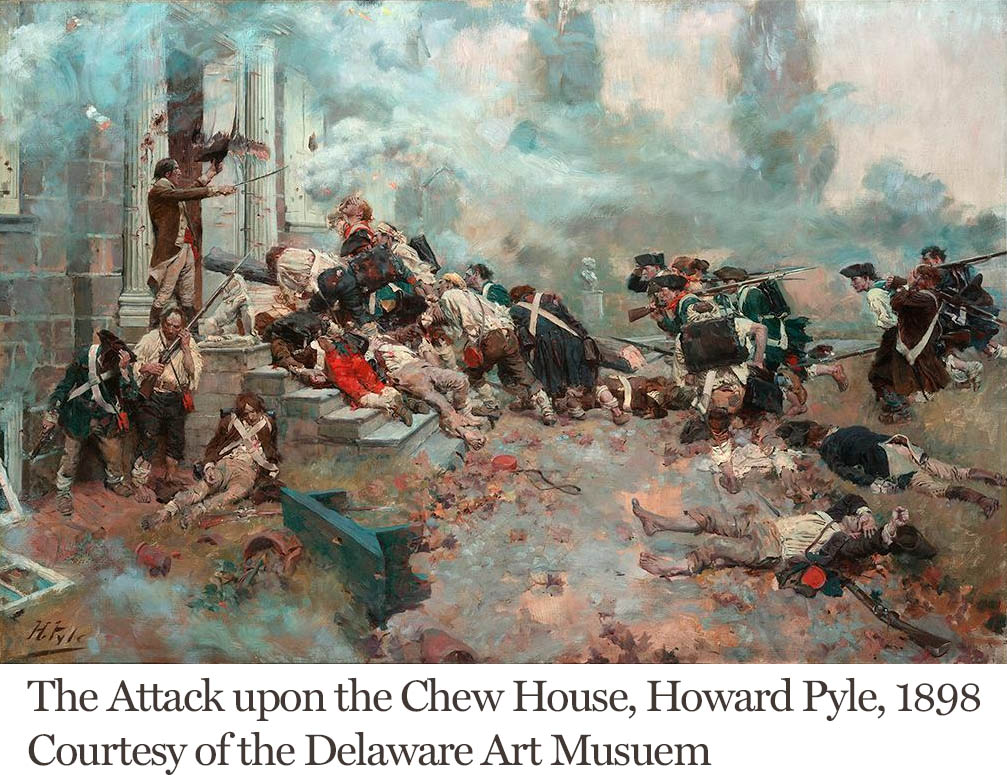 After taking Philadelphia, the Americans made an attempt to regain the capital. A
battle took place at Germantown, just north of the city. Once again, Maryland troops
faced Howe and the Hessians, this time under the command of Brig. Gen. William Smallwood
of Charles County, who would later become the 4th Governor of Maryland. As with Brandywine, the weather worked against the Americans.
Thick fog meant a delayed attack and a loss of the element of surprise. The dense
fog also led to instances of friendly fire. The British held up in Chew House, a stone
structure that gave sufficient cover to allow them to regroup and eventually mount
a counterattack. The American troops suffered another blow and went into the winter
encampments battle-fatigued. While most of the Continental Army went to Valley Forge,
again just outside Philadelphia, most of the Maryland troops wintered in Wilmington,
Delaware, rather than Valley Forge, rejoining Washington in June of 1778.
After taking Philadelphia, the Americans made an attempt to regain the capital. A
battle took place at Germantown, just north of the city. Once again, Maryland troops
faced Howe and the Hessians, this time under the command of Brig. Gen. William Smallwood
of Charles County, who would later become the 4th Governor of Maryland. As with Brandywine, the weather worked against the Americans.
Thick fog meant a delayed attack and a loss of the element of surprise. The dense
fog also led to instances of friendly fire. The British held up in Chew House, a stone
structure that gave sufficient cover to allow them to regroup and eventually mount
a counterattack. The American troops suffered another blow and went into the winter
encampments battle-fatigued. While most of the Continental Army went to Valley Forge,
again just outside Philadelphia, most of the Maryland troops wintered in Wilmington,
Delaware, rather than Valley Forge, rejoining Washington in June of 1778.
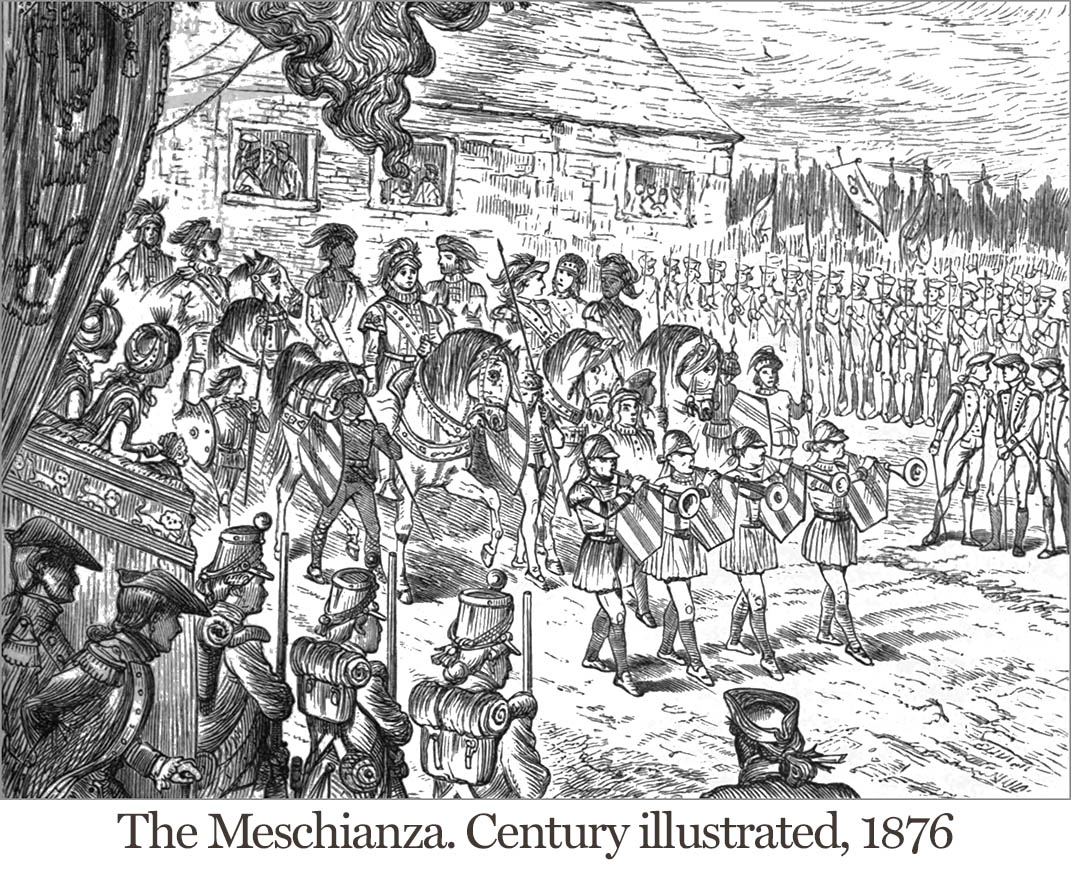 Spring would bring changes for everyone in the War. After the surrender at Saratoga,
the French decided to join the Americans. With the coming French Fleet and little
gains in holding the capital, the British could no longer hold Philadelphia. General
Howe resigned his commission in April of 1778 before the Army left in June. While
they still held the city, there was a celebration in honor of Howe, a “Meschianza.”
Spring would bring changes for everyone in the War. After the surrender at Saratoga,
the French decided to join the Americans. With the coming French Fleet and little
gains in holding the capital, the British could no longer hold Philadelphia. General
Howe resigned his commission in April of 1778 before the Army left in June. While
they still held the city, there was a celebration in honor of Howe, a “Meschianza.”
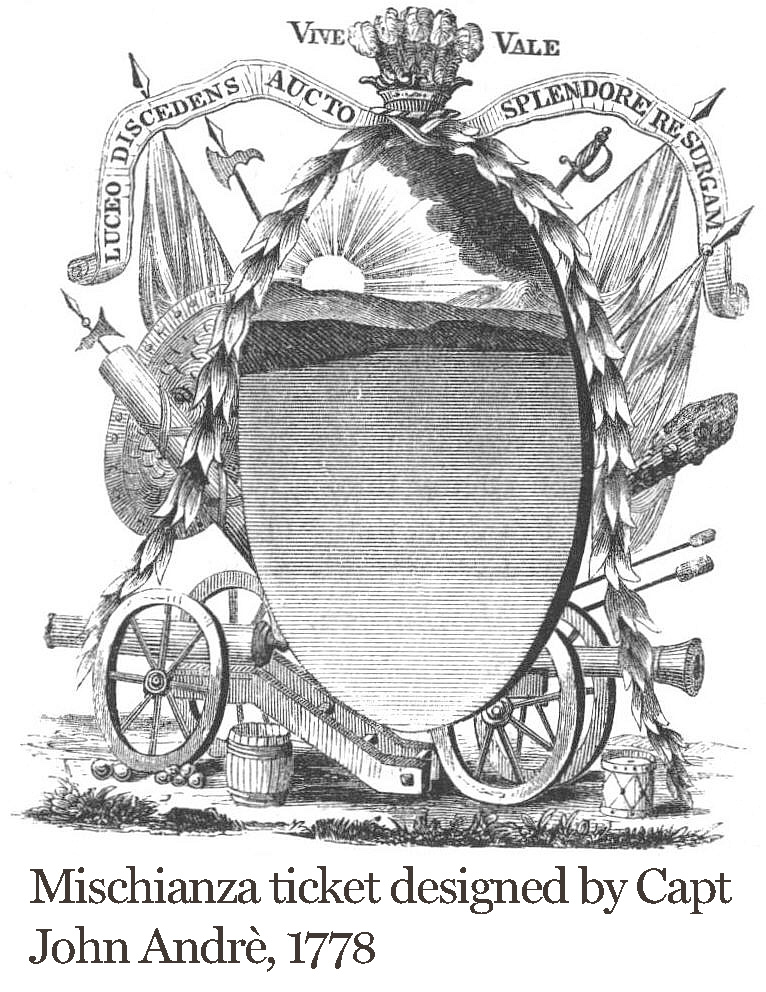 A Meschianza, which is Italian for Medley, was reminiscent of a medieval celebration.
There were grand processions and a tournament of officers dressed as knights jousting.
There was feasting and fireworks. It seems hard to believe that in the midst of war,
a devastated landscape, and dwindling winter supplies, there would be such a grand
celebration verging on the frivolous. Especially when, as the British Army departed,
three thousand loyalists from the area left with them.
A Meschianza, which is Italian for Medley, was reminiscent of a medieval celebration.
There were grand processions and a tournament of officers dressed as knights jousting.
There was feasting and fireworks. It seems hard to believe that in the midst of war,
a devastated landscape, and dwindling winter supplies, there would be such a grand
celebration verging on the frivolous. Especially when, as the British Army departed,
three thousand loyalists from the area left with them. 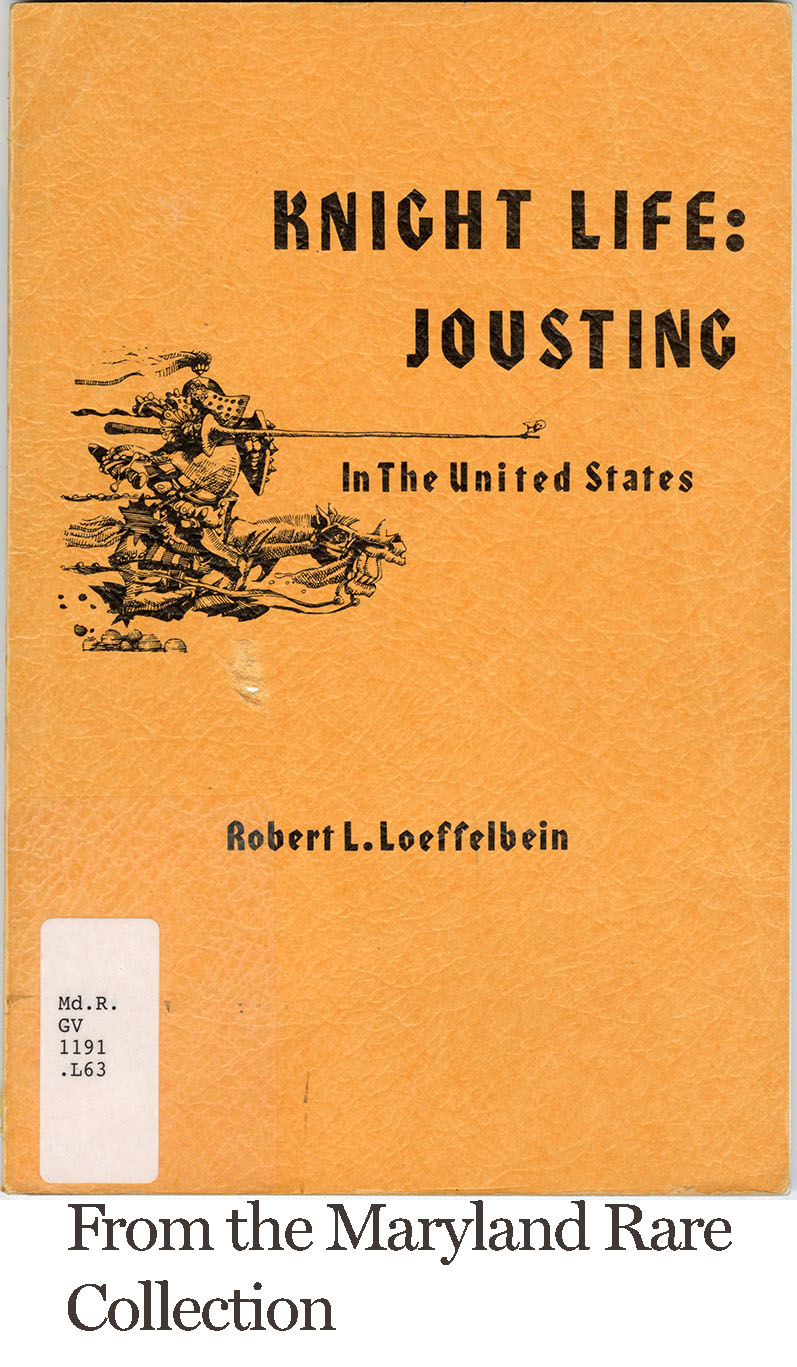 Jousting was a popular pastime, even in colonial times, and since 1962 the state sport
of Maryland. Though it is “ring tournaments” rather than combat, you need to visit
the Maryland Renaissance Festival to see that (going on now outside Annapolis!).
Jousting was a popular pastime, even in colonial times, and since 1962 the state sport
of Maryland. Though it is “ring tournaments” rather than combat, you need to visit
the Maryland Renaissance Festival to see that (going on now outside Annapolis!).
Despite no major battles taking place in Maryland, its people were important to almost every theater of the War, from New York to the Carolinas. Marylanders stood up and took up arms to help create this new nation. In battle after battle, onslaught after onslaught of British and Hessians, and winter after winter, they continued to fight.