Capt. James Nicholson and the "Defence," Maryland’s First Warship
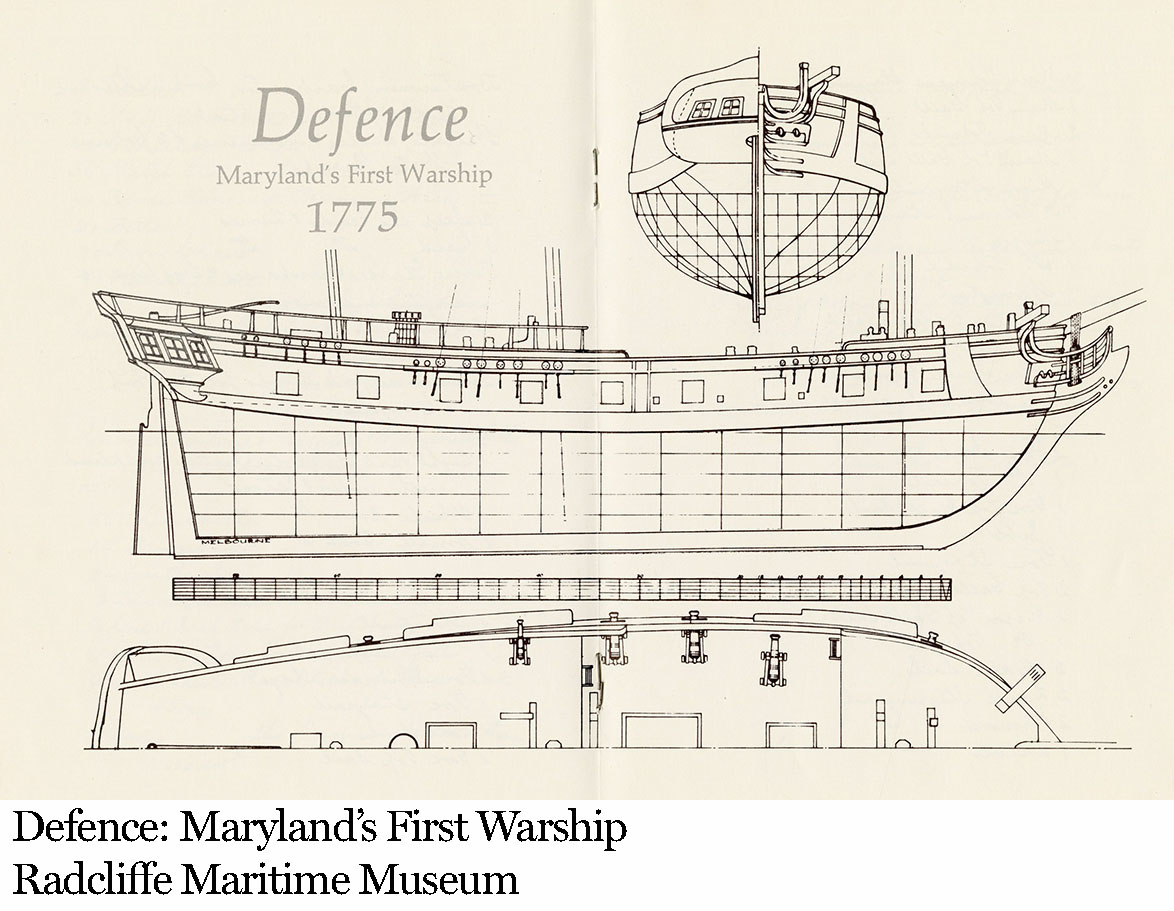
Before we had a Navy, we had the "Defence," a ship commissioned in 1775 to protect the Chesapeake Bay.
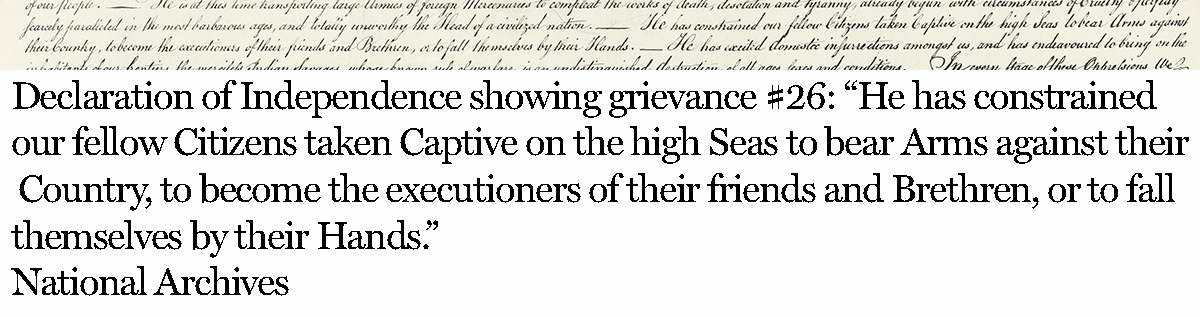
Fights between the Colonies and the British Navy had been going on for decades before the Revolution. In 1768, Boson, John Hancock’s ship Liberty, was confiscated. Allegedly, as an act of protest, Hancock and his supporters locked the customs officials in the hold and unloaded the cargo of Madeira wine. The Revenue Act of 1767 allowed customs officials to board ships looking for taxable goods, continuing to anger a populace already upset about taxes. Hancock was then charged with smuggling; he lost the Liberty. Many New England ports also had issues with impressment. This is when the Royal Navy warships would intercept merchant vessels before they made port. They would take experienced sailors and force them into Naval service to the Crown. This was such an issue that it was Grievance #26 in the Declaration of Independence. Impressment by the British was also a cause of the War of 1812.
In 1772, Rhode Island colonists got a bit of their own back thanks to a sandbar. The HMS Gaspee of the Royal Navy was sent to patrol Narragansett Bay. The captain, William Dudingston, took this as an opportunity to regularly harass the merchant ships. Letters of complaint were made, and the Governor even made an appeal. Finally, the patriots took action: a packet boat, Hannah, set out and chased the Gaspee; the smaller Hannah could maneuver in the shallow water, but the Gaspee got stuck. The Hannah sailed on to Providence and told the local Sons of Liberty about the disabled Gaspee. They then set out, gathering more men in Bristol; they then boarded the Gaspee, removed the crew, and burned the ship. It was said they tended to Duddingston’s wounds.
 By 1775, it was clear that America needed a Navy. Officially, the United States Navy
was founded on October 13, 1775. There had already been refurbished ships taken from
the British, a different Hannah out of Marblehead, Massachusetts, which was commanded by Washington, and Maryland
gave two ships, the sloop Hornet and schooner Wasp. This gave the fledgling Navy eight vessels. The Continental Congress authorized
the construction of thirteen new ships. By the end of the American Revolution, only
the frigate Alliance, one of the ships commissioned by the Congress, would remain. In 1785, it was sold,
leaving the United States without a functioning Navy, something Washington would later
warn about as he left office.
 This was a large task since all trade was done by ships and so much of the colonies
was coastal. Maryland recognized that their location on the Chesapeake Bay was vulnerable.
The Baltimore Committee obtained permission from the General Assembly to commission
their own warship. In Baltimore harbor sat an eighty-five-foot, square-rigged, three-masted
ship owned by John Smith. It was purchased for 1,350 pounds sterling. Chestertown
native James Nicholson was chosen to command the new vessel, which he named Defence. It was then necessary to transform this former merchant vessel into a warship; eighteen
guns were placed on the main deck and two more on the quarterdeck. Swivel-mounted
guns were added to the rail, and there were also weapons for the crew. In total, 13,300
pounds sterling was paid to make the ship ready for war. Just as the ship was ready,
it had its most well-known naval encounter with the HMS Otter.
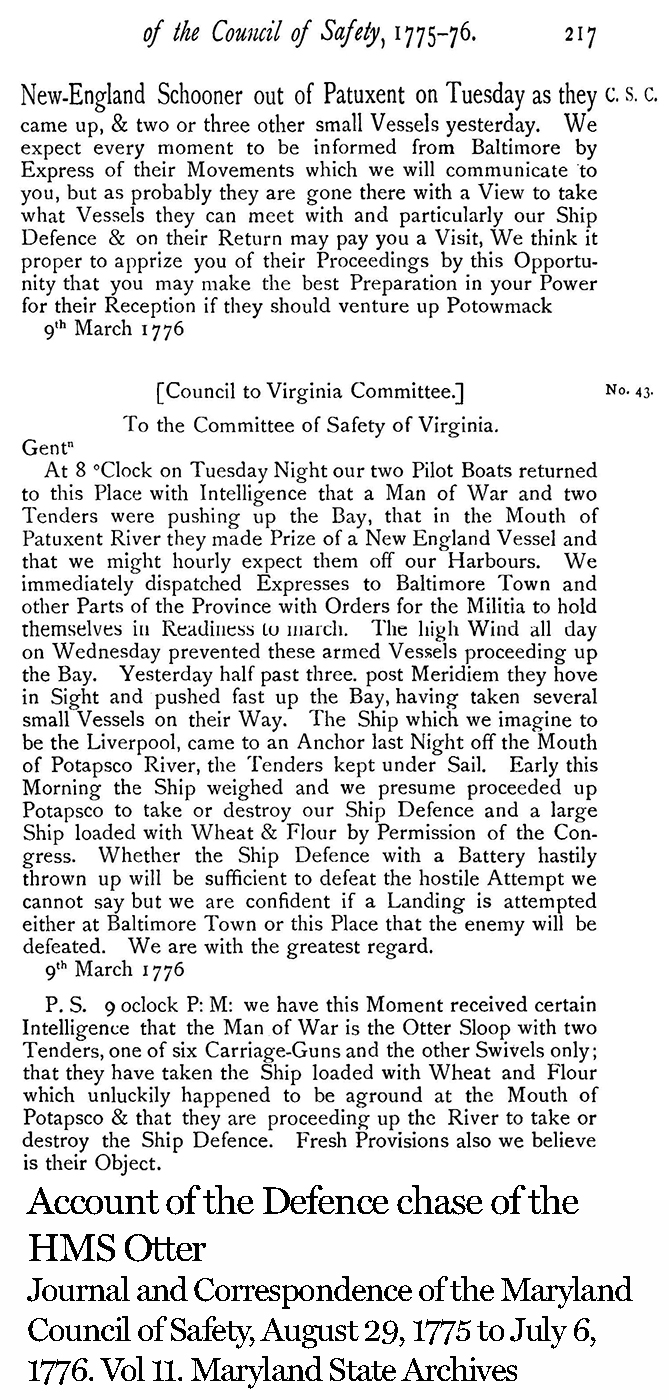
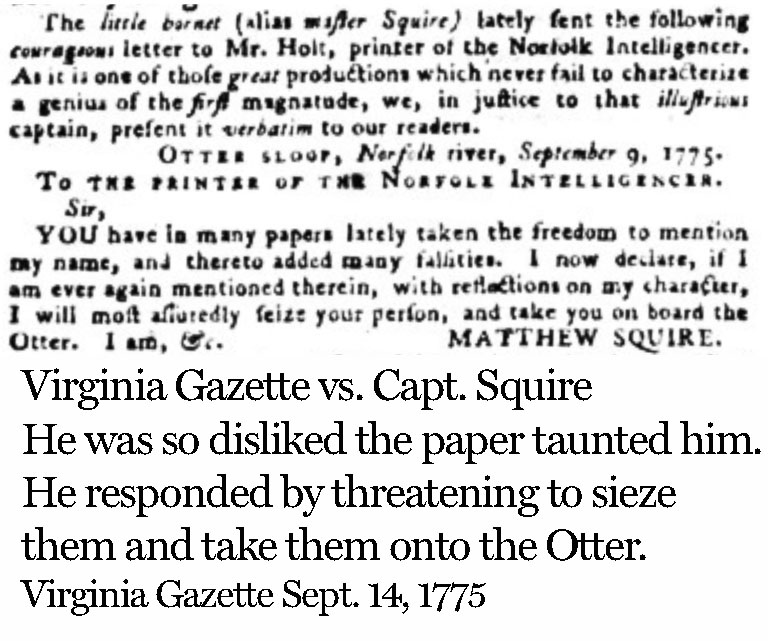
 The HMS Otter, captained by Matthew Squire, along with two smaller accompanying ships, the Edward and the Samuel, were heading up the Bay, purportedly to take Baltimore, but also looking to commandeer
ships with tobacco and wheat for the British Navy. The Otter had already taken several ships and continued on its way past Annapolis towards Baltimore
harbor with their captured ships in tow. Another ship, under Congressional contract,
laden with wheat and flour for New England, had run aground, and the British saw another
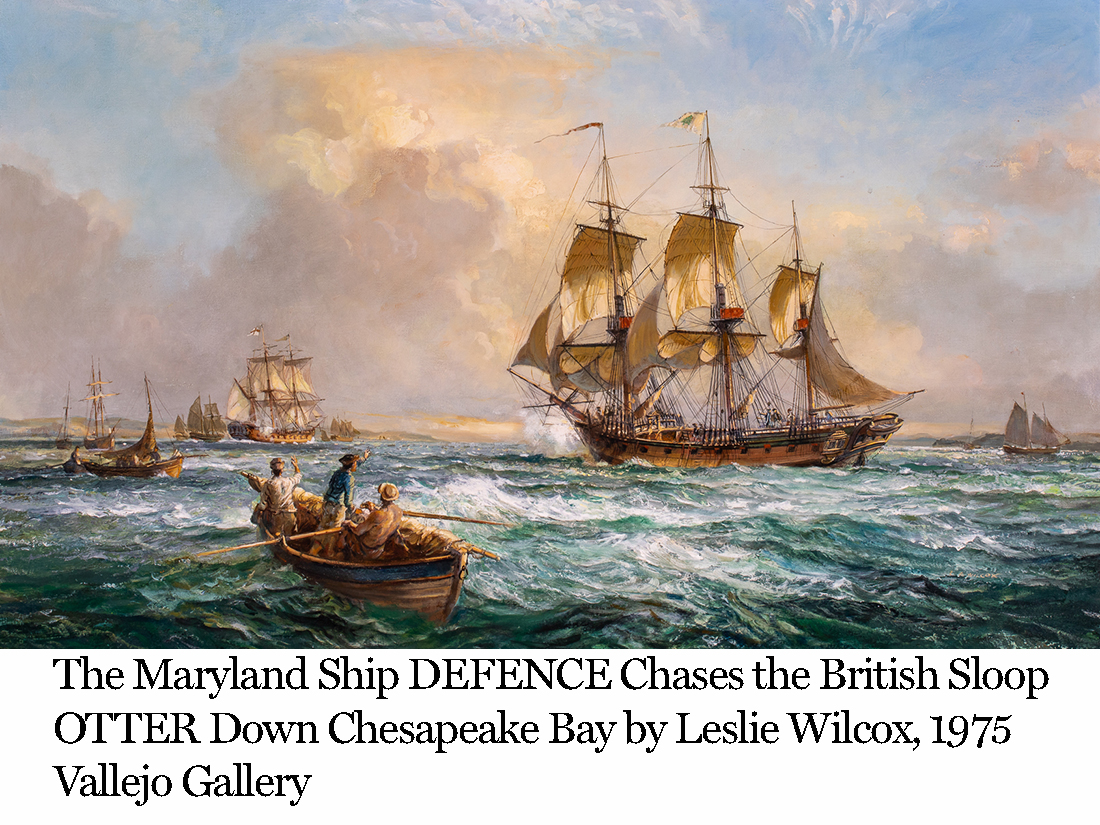
easy prize. The Defence made its way to intercept; the Samuel left the grounded ship to return to defend the Otter, which had anchored in preparation for battle. Squire did not realize he had set himself
in the shallows with the tide going out. It is unknown if Nicholson was ordered not
to attack; he certainly could have destroyed the incapacitated Otter. There was a standoff, each ship unsure of the other’s strength. The Otter was able to work itself free by high tide but was shaken by the experience and left
the Bay. The confiscated grain was taken back, and the Defence, with its successful show of strength, was intact and able to continue its protection
of the Bay.
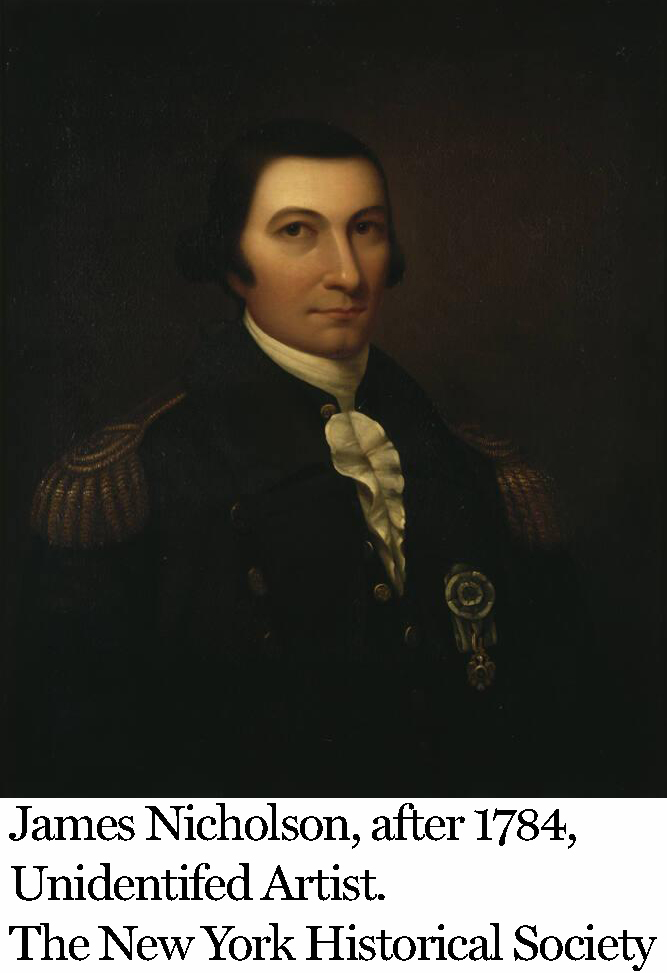 Nicholson was a former Royal Navy Officer; he would go on to command the USS Virginia and USS Trumbull in the new Continental Navy. He would participate in the Blockade of Baltimore and
the Battle of Trenton. The Nicholsons, a prominent colonial Maryland family on the
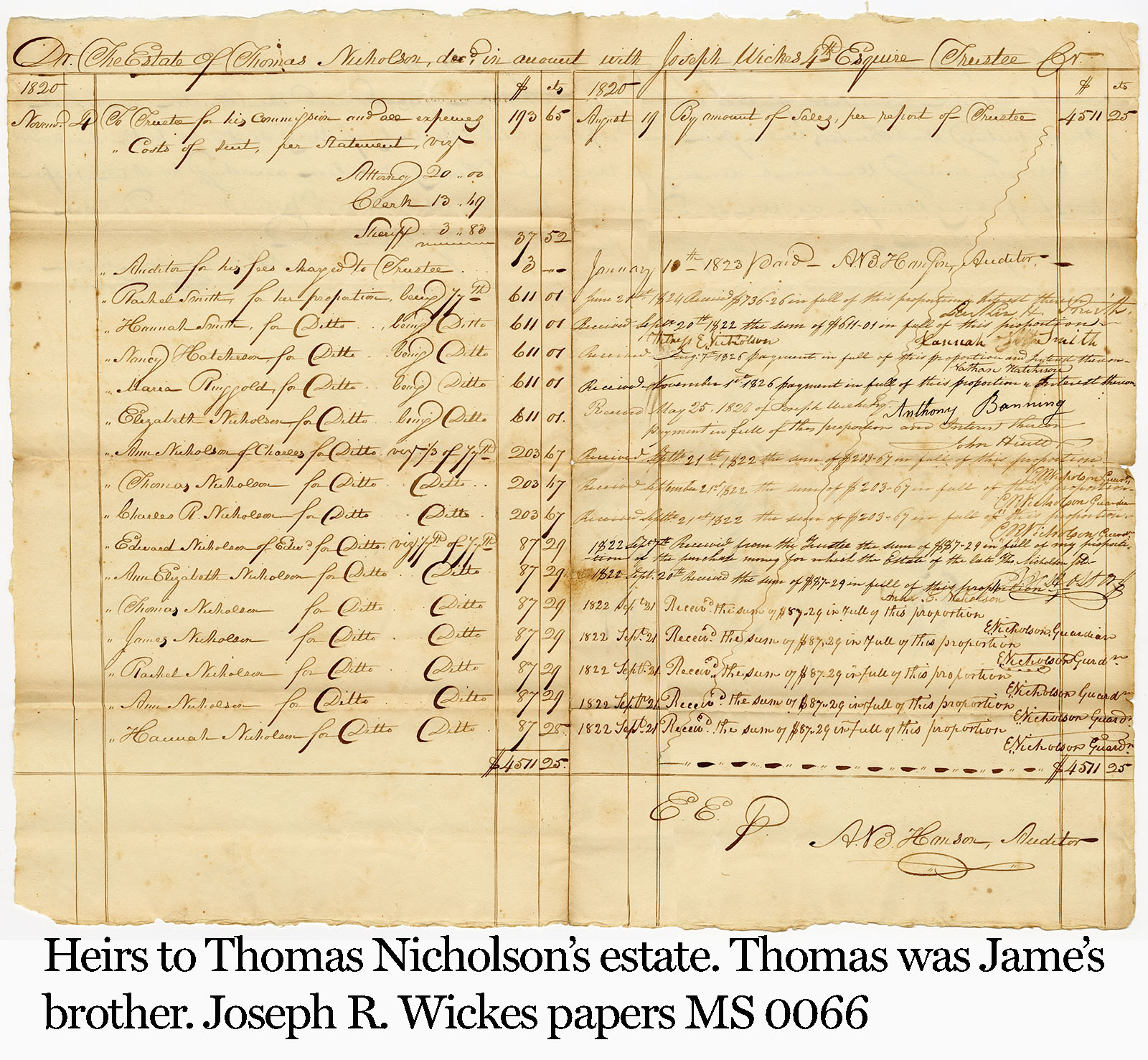
Eastern Shore, all had strong ties to the sea. Two of James’ brothers, Samuel and
John, would also go on to be officers in the Continental Navy. His nephew, William
Nicholson, served in the Navy in the War of 1812 and the American Civil War. His great-nephew,
also named James, became a Rear Admiral during the Mexican-American War. James Nicholson
moved to New York after the Revolution, where his home became a place for many prominent
Founding Fathers to meet. However, things did not often go smoothly, and heated debates
related to the Jay Treaty led Alexander Hamilton to challenge Nicholson to a duel
in 1795. In that case, friends and seconds were able to stop the duel.