The Library of Congress Celebrates its Anniversary!
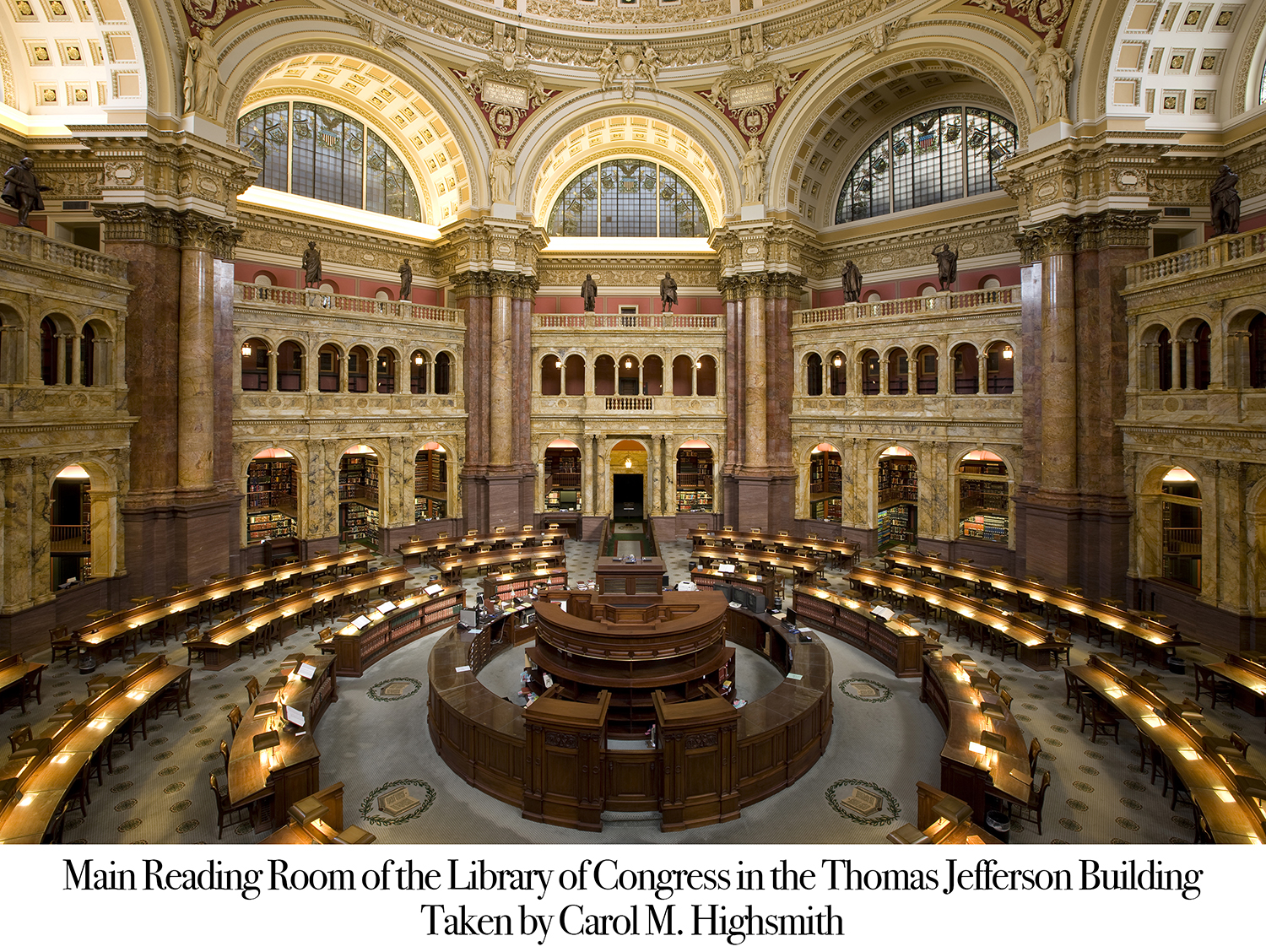
Today marks the 226th anniversary of the Library of Congress.
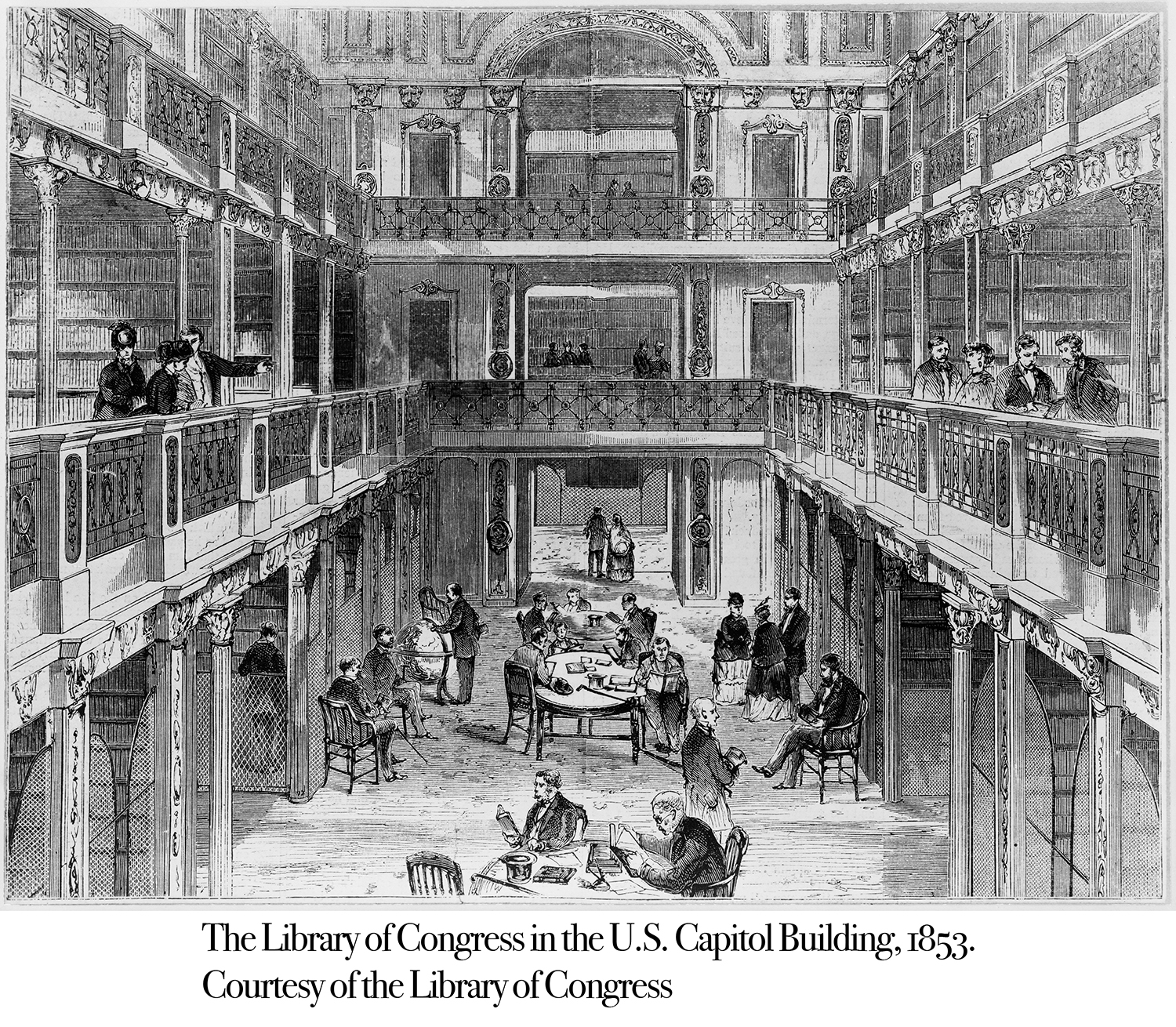 The library was established in the early days of the United States by then-President
John Adams. A lofty sum of $5,000 was allocated in the budget to start the book collection,
equivalent to $131,000 today.
The library was established in the early days of the United States by then-President
John Adams. A lofty sum of $5,000 was allocated in the budget to start the book collection,
equivalent to $131,000 today.
Initially, the Library of Congress, like the United States Capitol, did not have a permanent home, moving from New York to Philadelphia, and finally to Washington, D.C. Thomas Jefferson was appointed as the first Librarian of Congress in 1802 and later the second. Since then, the position has been a presidential appointment.
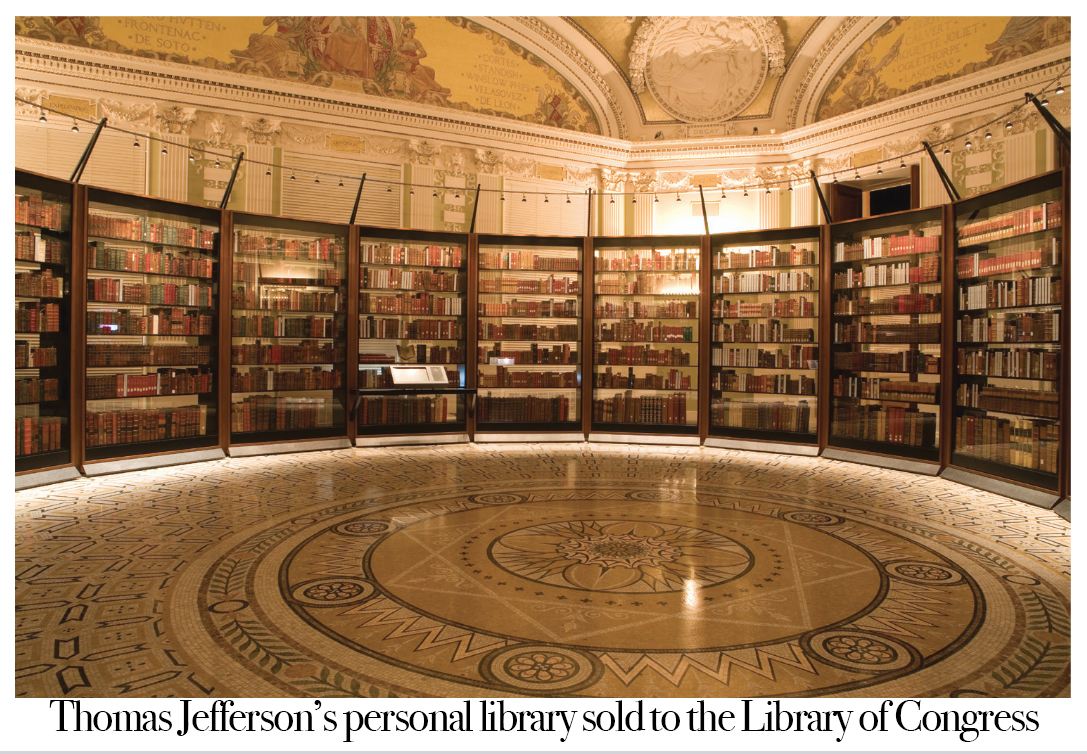 Unfortunately, the original Library of Congress books were lost in the War of 1812.
Thomas Jefferson, the original bibliophile (so much so that he racked up huge debts
to buy more books in Europe every time he visited), came to the rescue and sold his
6,487 books to the library.
Unfortunately, the original Library of Congress books were lost in the War of 1812.
Thomas Jefferson, the original bibliophile (so much so that he racked up huge debts
to buy more books in Europe every time he visited), came to the rescue and sold his
6,487 books to the library.
Since its inception, the library’s primary purpose has been to provide Congress with access to the latest and best sources of knowledge to make informed decisions governing the people of the United States.
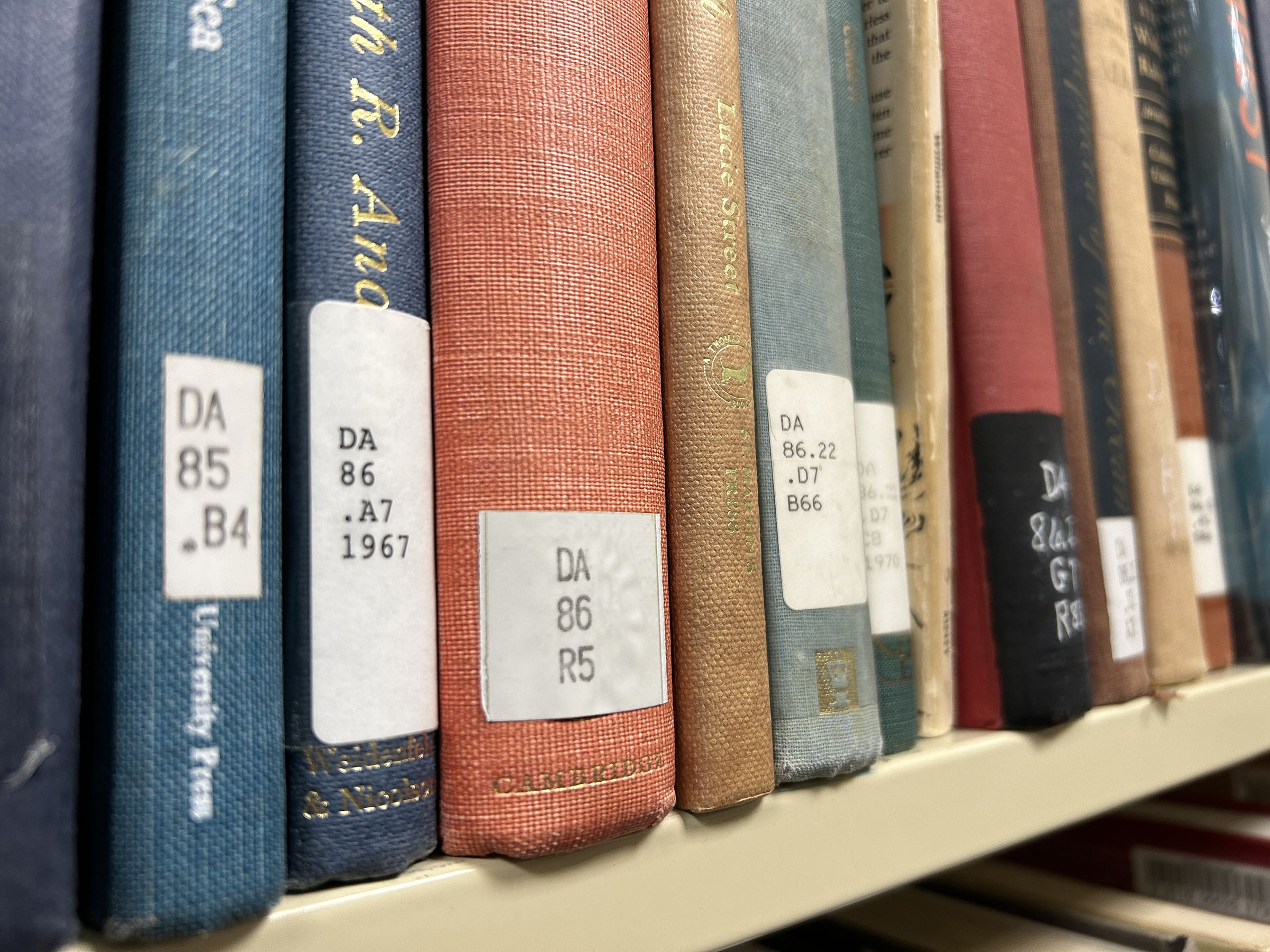
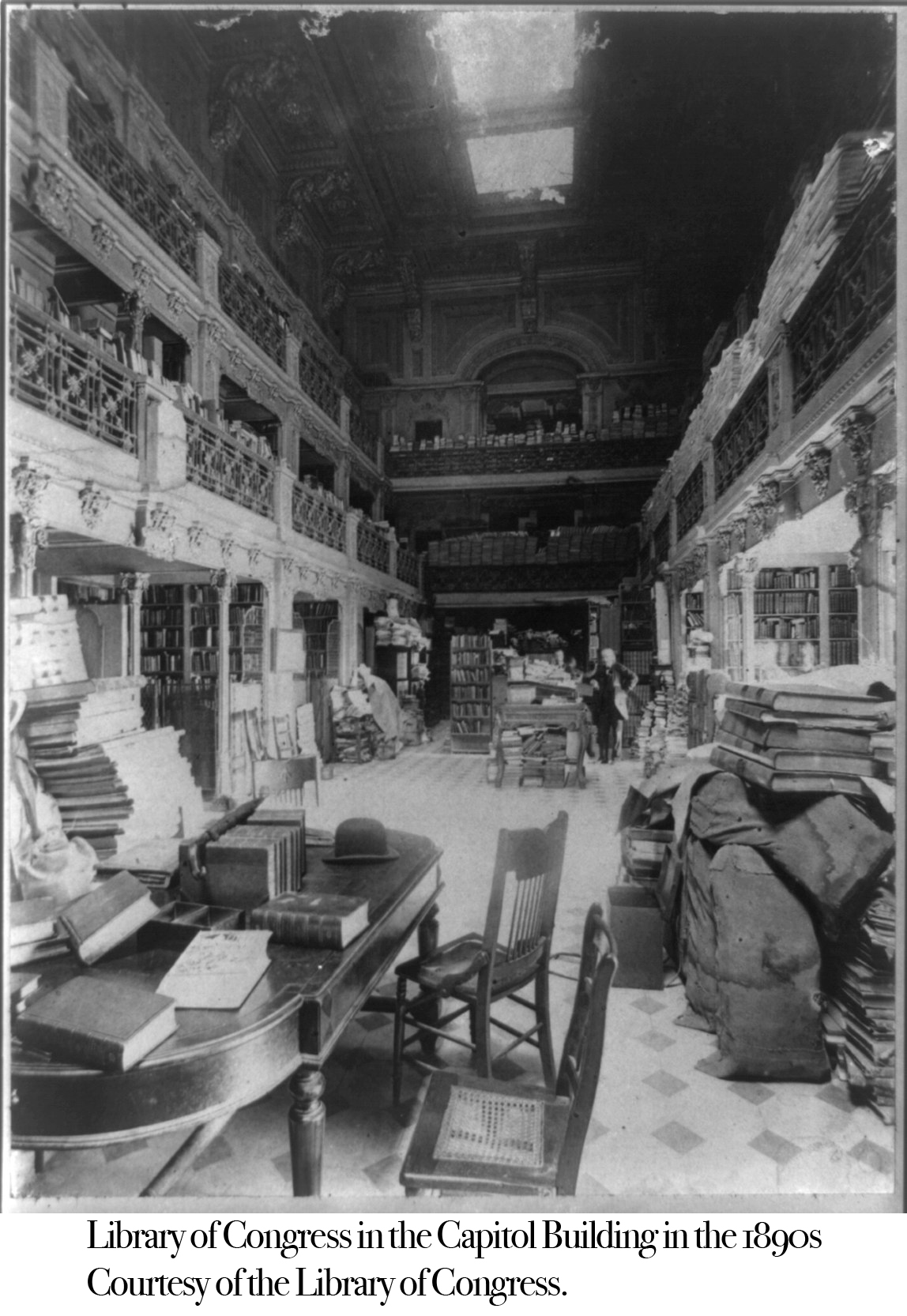 The Library of Congress uses its own specialized system for organizing materials,
unlike the Dewey Decimal system that’s used by many high school and public libraries.
This system is called the Library of Congress Classification System (LCC). The system was developed by then Librarian of Congress, James Hanson, in 1897,
after a hundred years of collecting over a million volumes. The LCC uses a hierarchy
of subjects that are ever-expanding as needed by the library. Prior to the LCC, the
library used Thomas Jefferson’s fixed book location system, which was not scalable
to the growing library’s needs.
The Library of Congress uses its own specialized system for organizing materials,
unlike the Dewey Decimal system that’s used by many high school and public libraries.
This system is called the Library of Congress Classification System (LCC). The system was developed by then Librarian of Congress, James Hanson, in 1897,
after a hundred years of collecting over a million volumes. The LCC uses a hierarchy
of subjects that are ever-expanding as needed by the library. Prior to the LCC, the
library used Thomas Jefferson’s fixed book location system, which was not scalable
to the growing library’s needs.
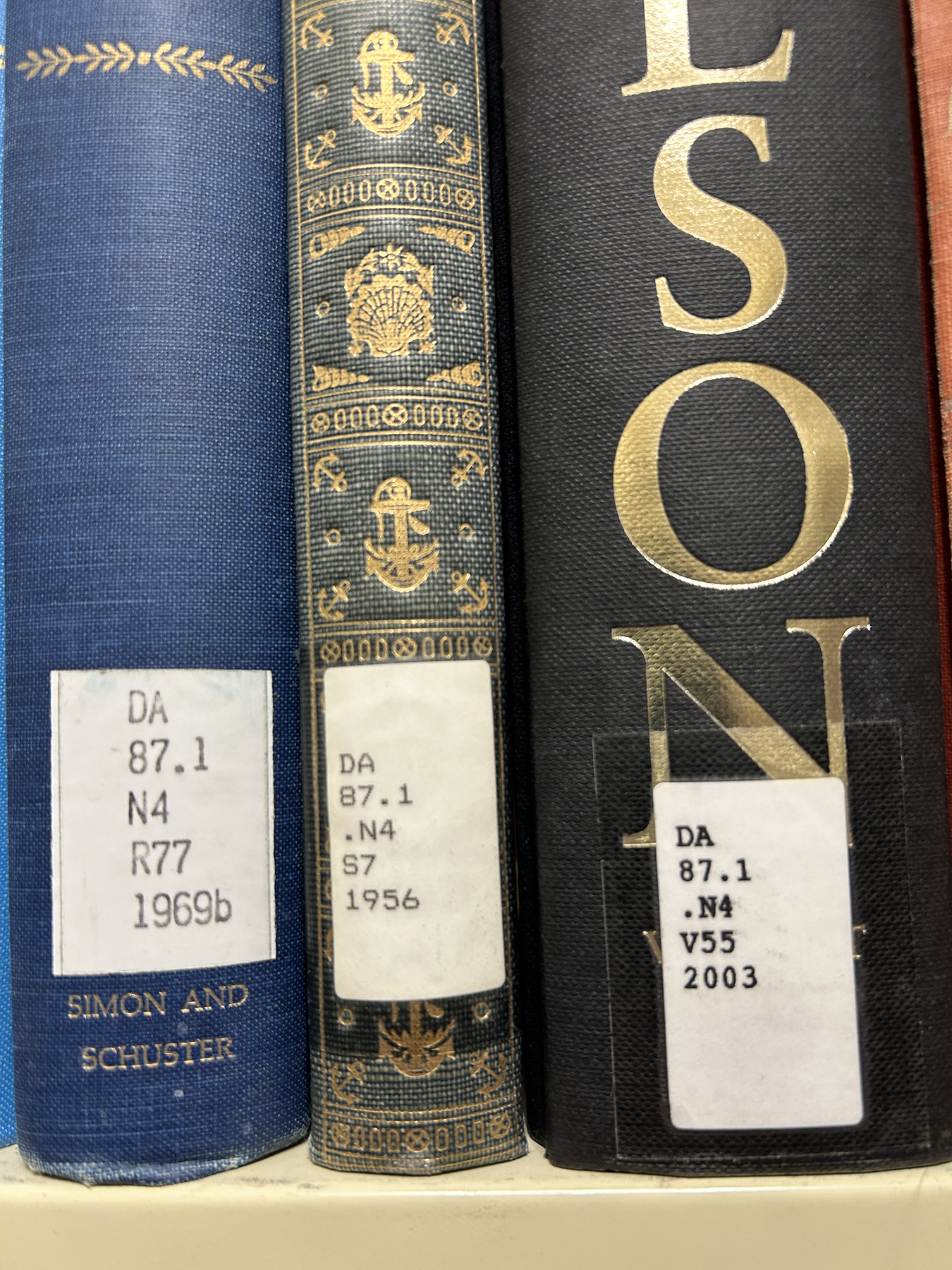 The Washington College Clifton Miller Library uses this system when cataloging books
available to our students, faculty, staff, and community patrons. The top floor of
the library contains books from the Library of Congress classification system, from
“A” for general knowledge through most of “N” for art. “B” contains books on religion
and philosophy, while the largest collection upstairs is “H” for social sciences.
Downstairs, the “N” collection continues through “Z” for Bibliography (books about
books). Downstairs also has the largest of our collections, “P,” a collection of language
and literature from the United States and around the world. “P” is particularly quirky
for modern attitudes, as the classification is divided by where an author was born, which does not always reflect their culture in the present.
The Washington College Clifton Miller Library uses this system when cataloging books
available to our students, faculty, staff, and community patrons. The top floor of
the library contains books from the Library of Congress classification system, from
“A” for general knowledge through most of “N” for art. “B” contains books on religion
and philosophy, while the largest collection upstairs is “H” for social sciences.
Downstairs, the “N” collection continues through “Z” for Bibliography (books about
books). Downstairs also has the largest of our collections, “P,” a collection of language
and literature from the United States and around the world. “P” is particularly quirky
for modern attitudes, as the classification is divided by where an author was born, which does not always reflect their culture in the present.
By far, the best thing about the LCC is the ability to co-locate books by topic. When
you are searching for a book within this system with our Integrated Library System
(aka OneSearch), you may find a book with a catchy title that perfectly matches what you are looking
for, but while you are checking that book out on the shelf, the books to the left
and right may also fill your needs, but may not have caught your eye, or caught the
attention of the same keywords in the library’s catalog. So, next time you are looking
for a book in our library, check the books near it on the shelf.