Ghosts of White House Farm
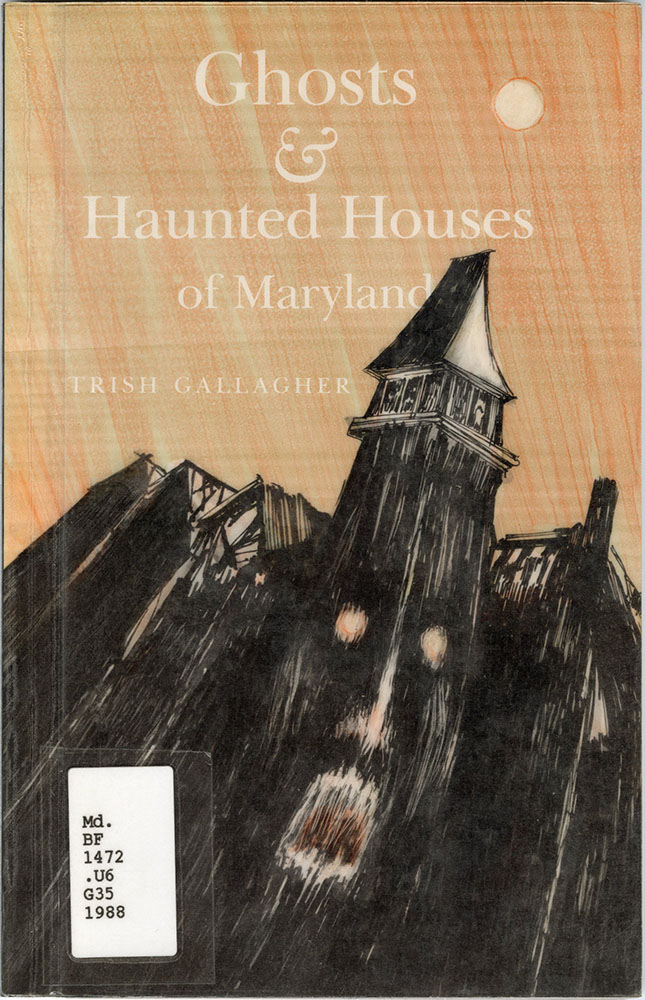
Unrequited love and a stain on a rock that won’t go away make a spooky tale for a Fall evening, but is the reality darker than any ghost story?
Kent County has two properties known as White House Farm. One is located in Chestertown; the other, further north, in Kennedyville. One is registered with the Maryland Historic Trust; the other is on the National Register of Historic Places. One has a dark past but a present filled with new beginnings; the other harbors a ghost and a history of heirloom tomato cultivation. Both begin with one-and-a-half-story houses of white stucco and Flemish bricks built in the early 1700s.
A Ghost and a Bloodstained Rock
White House Farm, built by the Perkins, is located North of Chestertown on Rte. 213. It is still visible from the road. Houses as old as this are perfect for a good ghost story, and there is a longstanding one for the Perkins’ White House Farm. In the late 1970s, White House Farm was owned by the Pinders. Both of whom said they were not believers in ghosts, but both had experiences and relayed them to two local authors. Both retold the stories in their books: Robert Allan Gorsuch in Ghosts in Kent County, Maryland, and Trish Gallagher in Ghosts and Haunted Houses in Maryland. Both are available in the Maryland Collection at Miller Library.
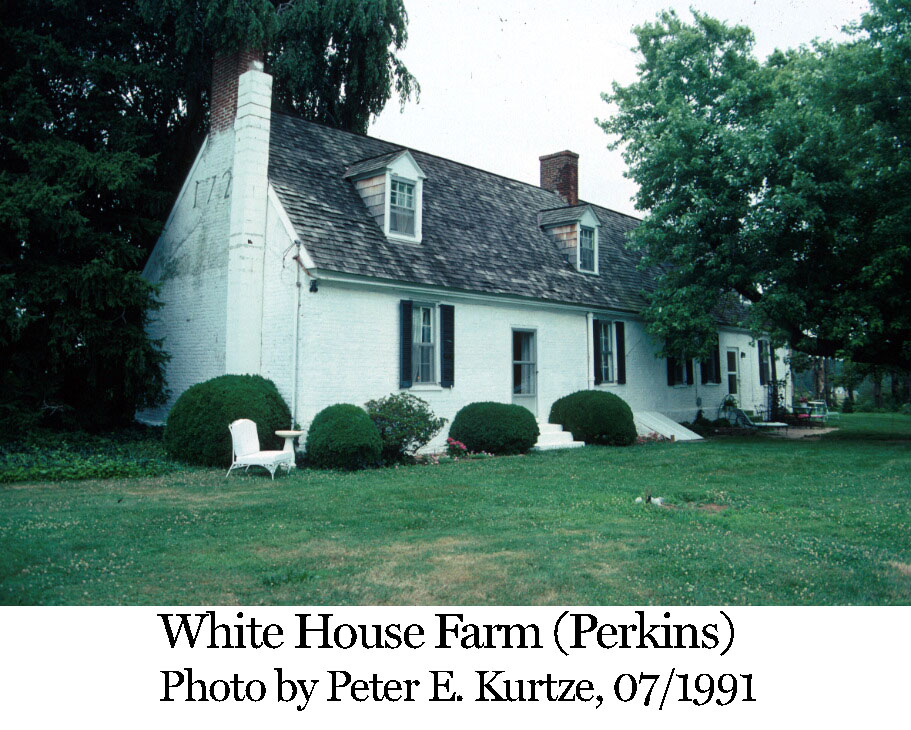 The Pinders had heard stories from previous owners but didn’t put too much into them.
When they purchased the property, it needed work, and for two years they took on the
task of making the house livable again. This is when the weird experience began. The
couple and their two dogs would come to the house to work and soon began to hear things.
Footsteps on the upper floors when no one else was in the house, doors opening and
closing, a glimpse of a blue-gowned figure passing through a bedroom, and the dogs,
with raised hackles, staring into the empty dining room.
What is the source of this eerie presence? Lore says it is due to a girl called Mary Stuart or Stewart, most likely a servant. It is said that she lived on the property in the early 1800s, and on the night of January 8th she left to elope, but while riding away, her horse reared, and she fell, hitting her head on a rock and died. Since then, the rock remains stained with her blood, and the reddish tint always shows through even after decades of whitewashing. When the road was expanded in the 1950s, it was moved further onto the property. Past owners have even invited people to wait in the cold January evening on the anniversary to see if she will appear. Today the property continues to function as an organic farm known for its heirloom tomatoes.
Ghosts of History
The other White House Farm, also known as Stepney Manor, is located just west of Chestertown and was granted in 1659. The original structure was built in the early 1700s by Simon and Rebecca Wilmer. Around the 1850s, it was expanded from the white stucco-covered house to the three-story, five-bay brick structure that stands today. Today it is an event space and popular wedding venue.
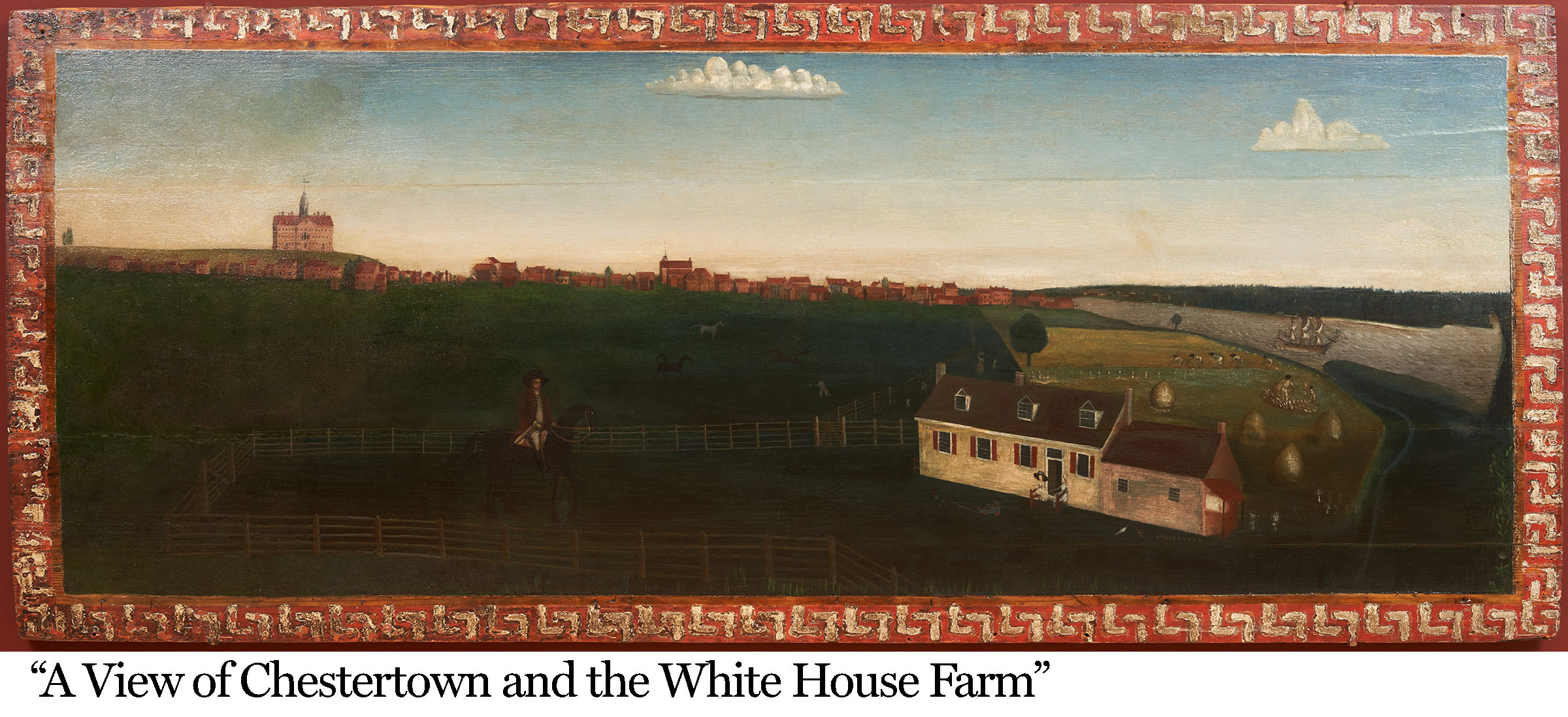
 This location does not boast a traditional ghost but it has a haunting past that brings
itself into the present. The Wilmer family owned slaves, and they worked the lands
around the Farm. Professor Robert Janson-La Palme found a unique painting belonging
to the Wilmer family, “A View of Chestertown from White House Farm,” in their Baltimore
estate, and began to research it and its connection to the college. The oil on wood
was originally a mantle piece. It was commissioned by the Wilmer family and shows
White House Farm, the Chester River, the town of
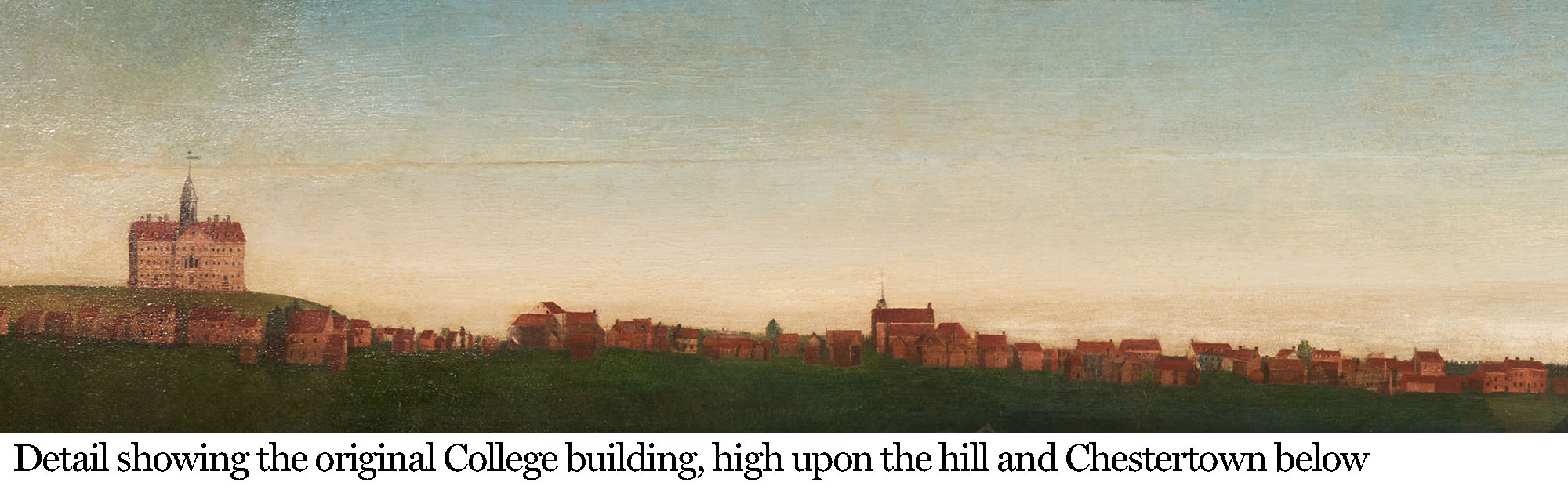
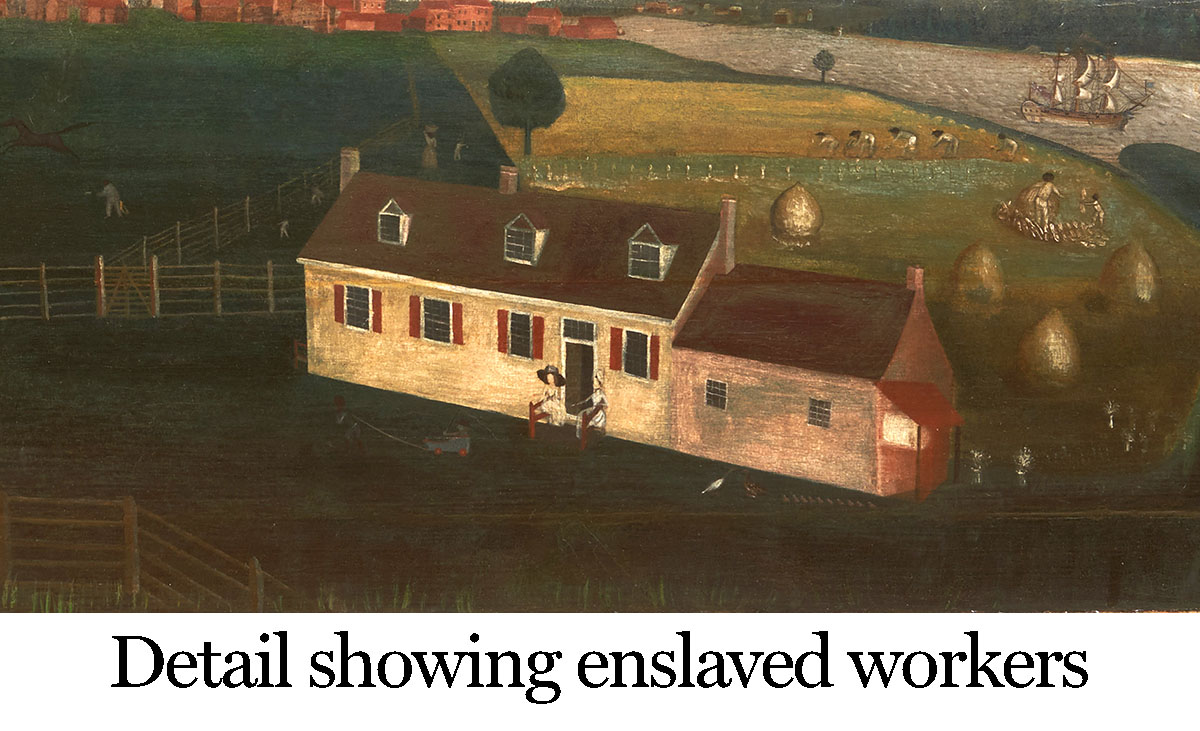 Chestertown with a few identifiable buildings like the Hynson-Ringgold House, and
up on the hill, the original building of Washington College. Since the original building
burned down in 1827, we have very few images of what it looked like. It also shows
many enslaved African Americans working the land. In December of 1986, it was given
to the college and was proudly on display
 until December of 2019. Members of the Black Student Union petitioned the administration to remove or relocate the painting. The idea was to remove it to a more appropriate
location where it could be given the historical context this important piece deserves.
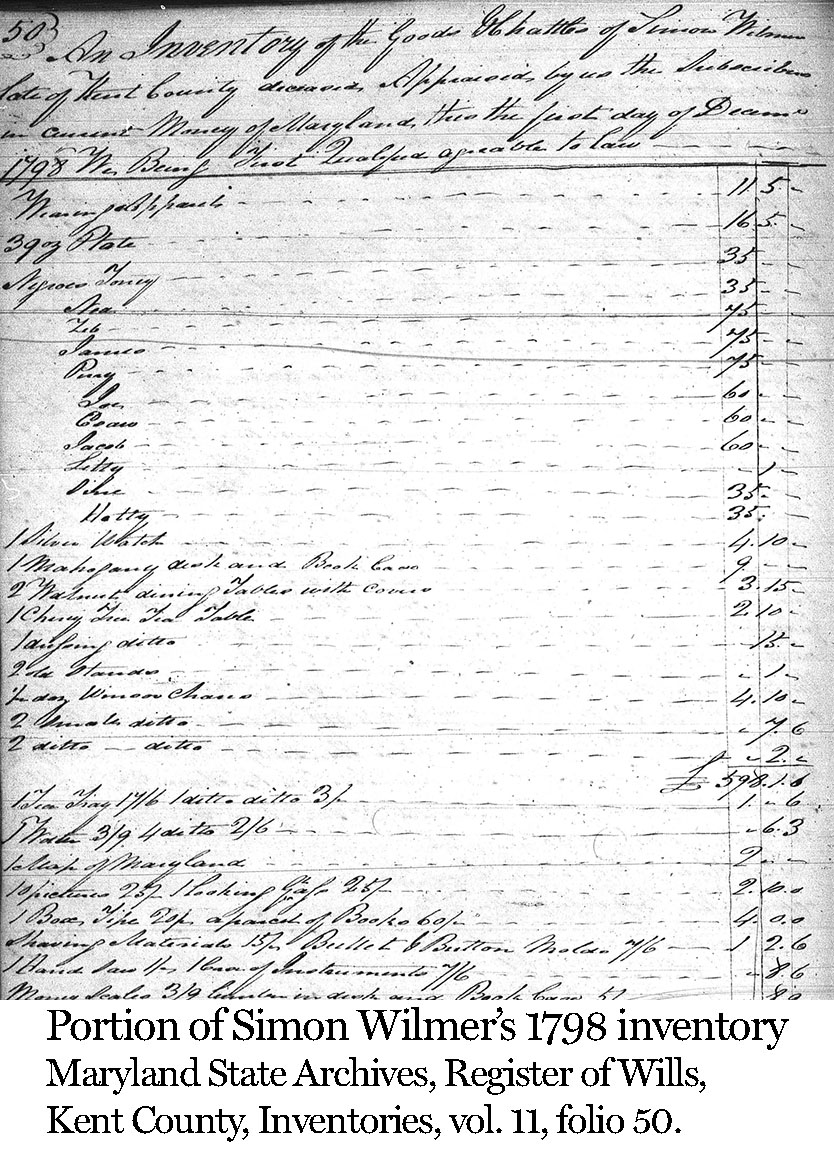
After removal, it was featured in an exhibition by Jason Patterson. Because of the longstanding history of the Wilmer family, it may be possible to
identify some of the depicted individuals who for so long remained nameless.Upon Simon
Wilmer’s death in 1798, around the time of the painting, an inventory was made. In that inventory, listed among other household goods, were the names of
the enslaved individuals.
While a good ghost story gives us a scare on a chilly evening, it is often scarier to confront our troubled history.