General Washington Orders the Formation of the Flying Camp
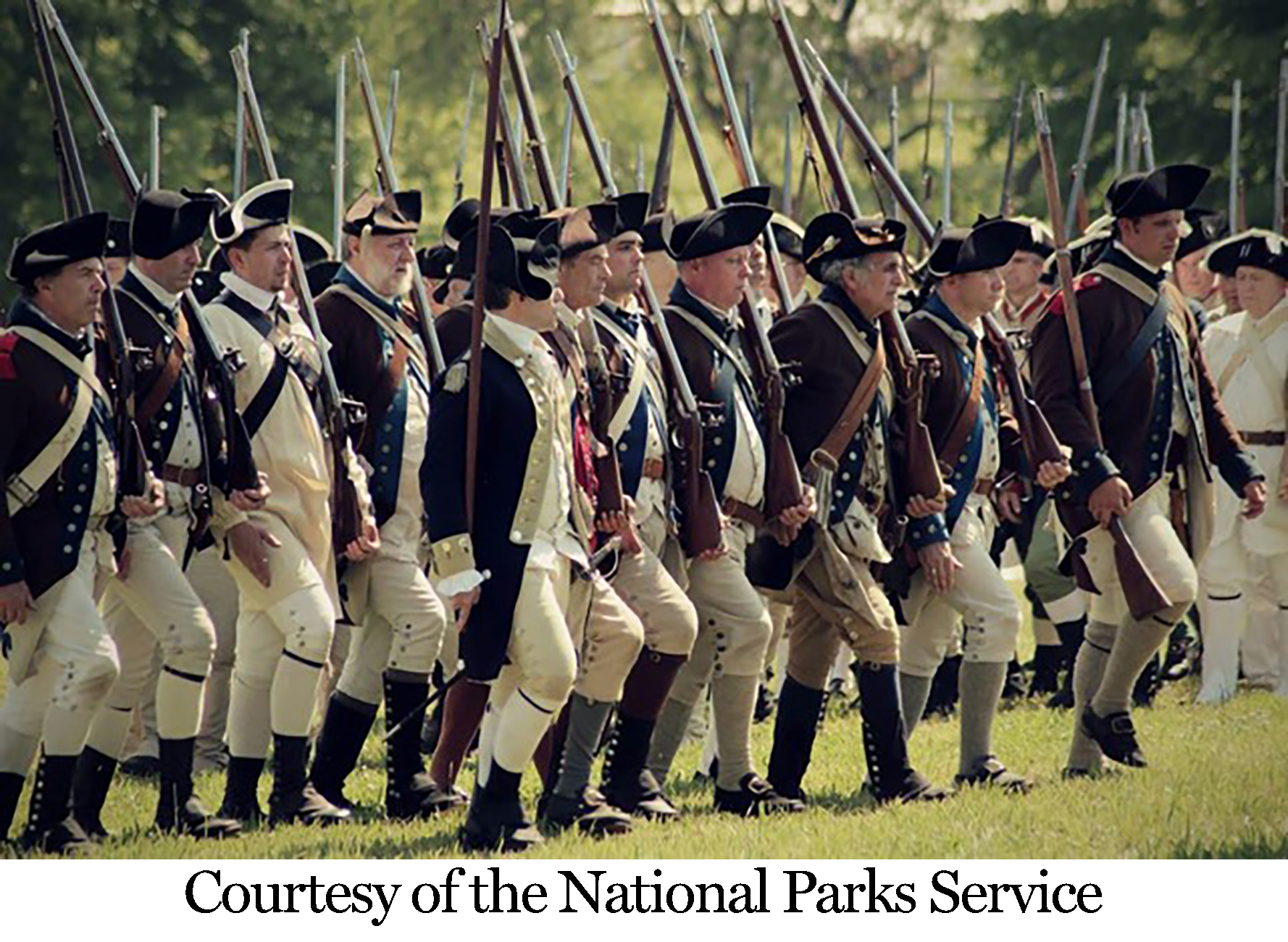
The 11-month-long Siege of Boston ended in March 1776 when the Continental Army under General Washington fortified the strategic points in the city, and in fear of a repeat of the Battle of Bunker Hill, British General Howe and his troops withdrew to Nova Scotia. This constituted General Washington’s first victory of the war; however, Washington knew that he had a huge area of territory to defend and convened the Continental Congress to figure out an effective military strategy.
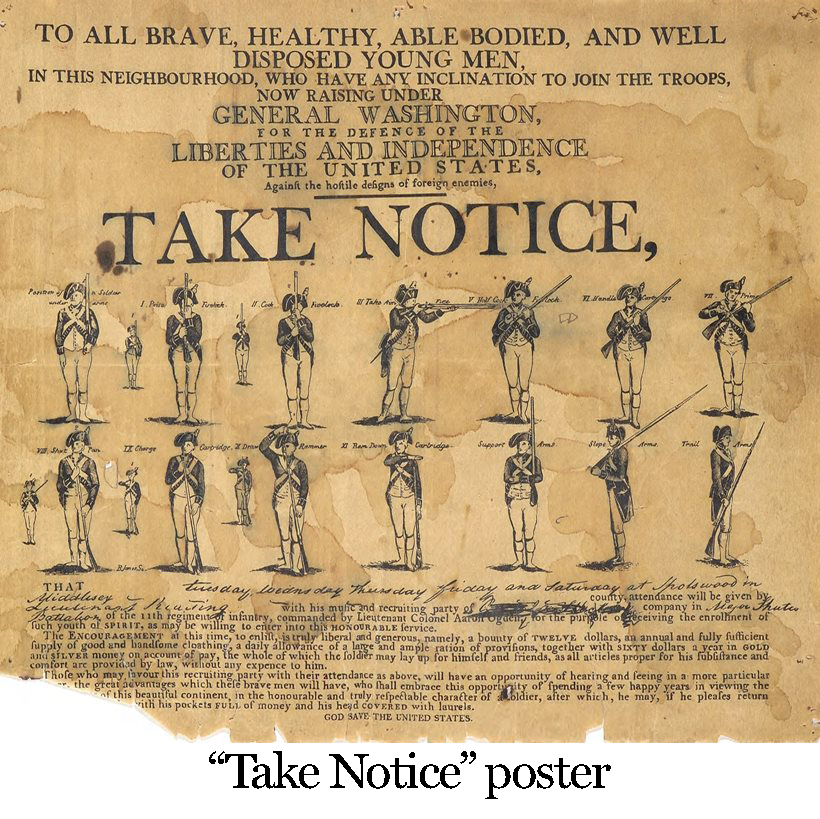 Washington’s idea was to form a ‘flying camp’, a reserve unit of troops who could
move quickly in response to a military threat. This Flying Camp would be composed
of regiments administered not by the states from which they were recruited but would
be a national force. Before the Revolutionary War, there were no official reserve
troops or Home Guard in the colonies; instead, there were local militia who trained
to serve communities in response to threats on a moment’s notice. It’s from these
militia that the Flying Camp recruits would be drawn. On June 3, 1776, it was ordered
that this Flying Camp would be assembled from within the middle colonies. 10,000
troops were called for: 6,000 from Pennsylvania, 3,400 from Maryland, and 600 from
Delaware; they were to serve for a period of six months, unless recalled sooner, and
would be paid and supplied equal to the regular soldiers of the Continental Army.
In the end, Pennsylvania was only able to provide 2,000 of its 6,000 requested; the
tiny colony of Delaware did supply its 600, and Maryland went above and beyond by
supplying 3,405 troops, slightly more than asked for. Four of the twelve battalions
of the Flying Camp were formed out of the recruits from Maryland. The intended purpose
of the Flying Camp at this time was to defend New Jersey, while the main body of the
Army would defend New York. This defense would take the shape of guarding the New
Jersey coast, protecting the Continental Army's supply lines, and keeping the rebellious
Tory factions in check.
Washington’s idea was to form a ‘flying camp’, a reserve unit of troops who could
move quickly in response to a military threat. This Flying Camp would be composed
of regiments administered not by the states from which they were recruited but would
be a national force. Before the Revolutionary War, there were no official reserve
troops or Home Guard in the colonies; instead, there were local militia who trained
to serve communities in response to threats on a moment’s notice. It’s from these
militia that the Flying Camp recruits would be drawn. On June 3, 1776, it was ordered
that this Flying Camp would be assembled from within the middle colonies. 10,000
troops were called for: 6,000 from Pennsylvania, 3,400 from Maryland, and 600 from
Delaware; they were to serve for a period of six months, unless recalled sooner, and
would be paid and supplied equal to the regular soldiers of the Continental Army.
In the end, Pennsylvania was only able to provide 2,000 of its 6,000 requested; the
tiny colony of Delaware did supply its 600, and Maryland went above and beyond by
supplying 3,405 troops, slightly more than asked for. Four of the twelve battalions
of the Flying Camp were formed out of the recruits from Maryland. The intended purpose
of the Flying Camp at this time was to defend New Jersey, while the main body of the
Army would defend New York. This defense would take the shape of guarding the New
Jersey coast, protecting the Continental Army's supply lines, and keeping the rebellious
Tory factions in check.
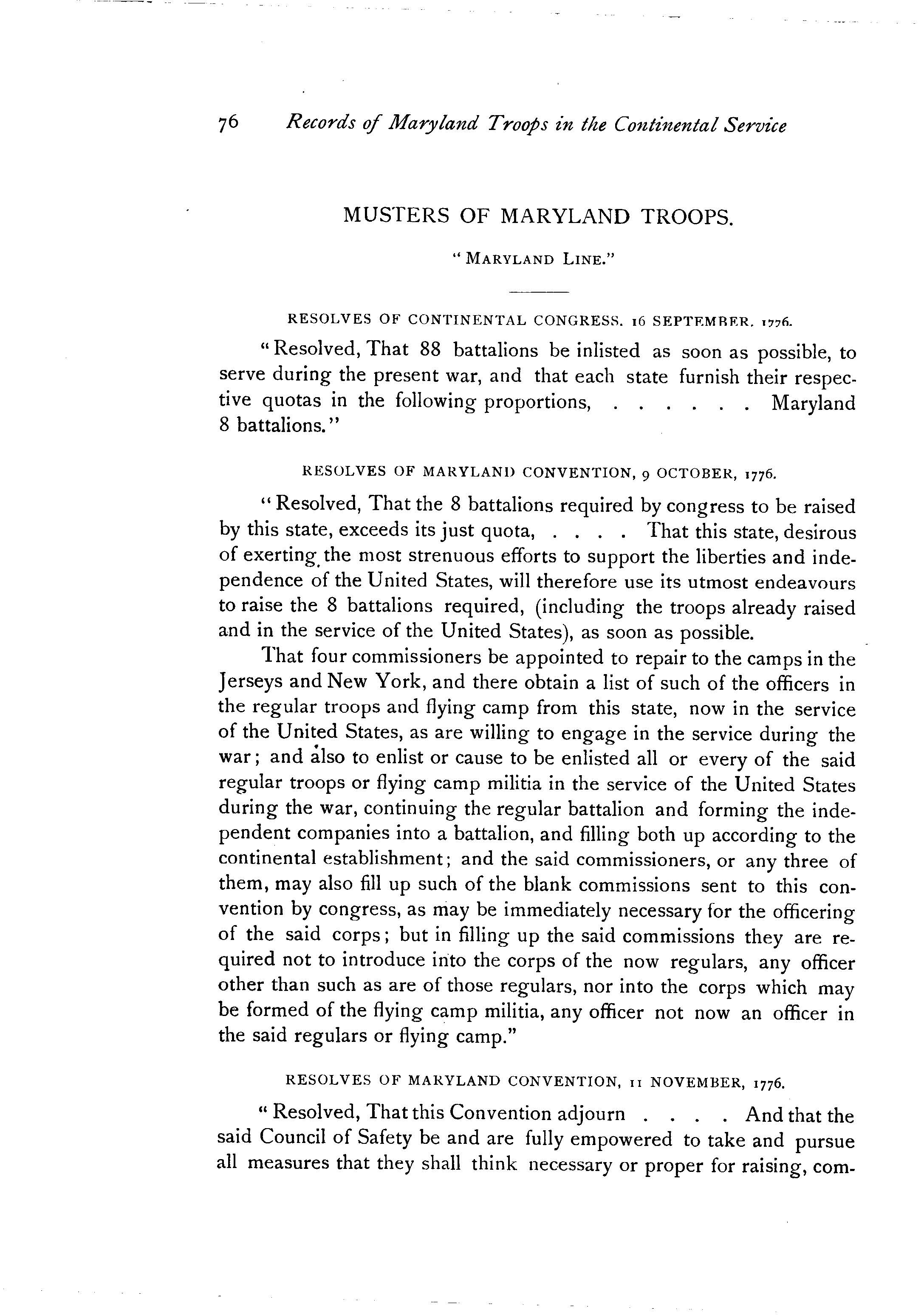 It did take some time for the regiments to be raised, supplied, and brought to New
Jersey. William Richardson, a native of Talbot and Dorchester counties, was appointed
Colonel of the Eastern Shore Battalion of the Maryland Flying Camp. After recruiting
about 650 men from the Eastern Shore counties, he then had to supply these troops
with equipment, food, and firearms primarily from local resources in a sparsely populated
region. He had to obtain some of his troops’ supplies, including firearms, from Annapolis
and Baltimore. Both cities were relatively easy to access by water, although extra
time, steps, and work would have been required. Colonel Richardson would have been
able to conduct these operations from the wharf and headquarters at his own plantation
at Gilpin Point, possibly with the use of his own sailing vessels. The whole process
was difficult and fraught with delays, but Richardson and his 4th Maryland Battalion
finally joined the Continental Army at Elizabethtown, New Jersey, on September 8,
1776, three months into the 6-month period of service. In addition to such delays,
the assembly of the Flying Camp was impeded when much of the Pennsylvanian contingent
was immediately drafted into the Continental Army in New York.
It did take some time for the regiments to be raised, supplied, and brought to New
Jersey. William Richardson, a native of Talbot and Dorchester counties, was appointed
Colonel of the Eastern Shore Battalion of the Maryland Flying Camp. After recruiting
about 650 men from the Eastern Shore counties, he then had to supply these troops
with equipment, food, and firearms primarily from local resources in a sparsely populated
region. He had to obtain some of his troops’ supplies, including firearms, from Annapolis
and Baltimore. Both cities were relatively easy to access by water, although extra
time, steps, and work would have been required. Colonel Richardson would have been
able to conduct these operations from the wharf and headquarters at his own plantation
at Gilpin Point, possibly with the use of his own sailing vessels. The whole process
was difficult and fraught with delays, but Richardson and his 4th Maryland Battalion
finally joined the Continental Army at Elizabethtown, New Jersey, on September 8,
1776, three months into the 6-month period of service. In addition to such delays,
the assembly of the Flying Camp was impeded when much of the Pennsylvanian contingent
was immediately drafted into the Continental Army in New York.
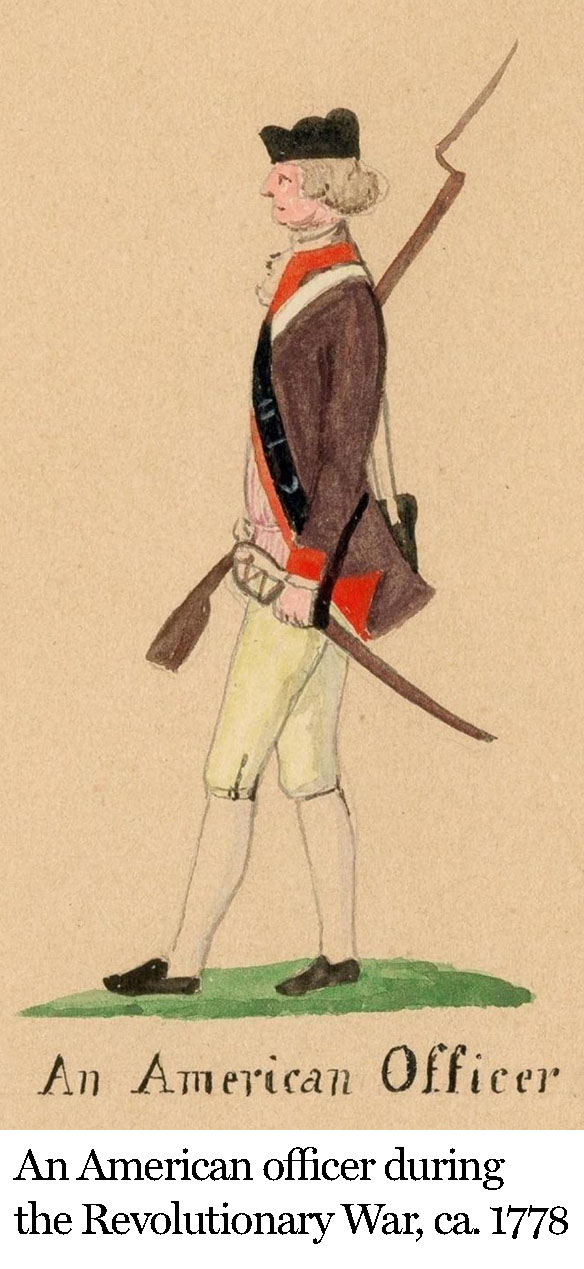 Almost immediately after their arrival in the North, Colonel Richardson’s 4th Maryland played a pivotal role in the Army’s success at the Battle of Harlem Heights,
helping drive the British from the field of battle. This was the Continental Army’s
first victory since the Declaration of Independence and provided a great morale boost
for the troops.
Almost immediately after their arrival in the North, Colonel Richardson’s 4th Maryland played a pivotal role in the Army’s success at the Battle of Harlem Heights,
helping drive the British from the field of battle. This was the Continental Army’s
first victory since the Declaration of Independence and provided a great morale boost
for the troops.
The Battle of Fort Washington, on November 16, 1776, was a different story and ended badly for the Continental Army and the Flying Camp. Many of the Pennsylvanians were taken prisoner, and the remaining troops marched home. By this time, fewer than 500 men remained on duty in New Jersey.
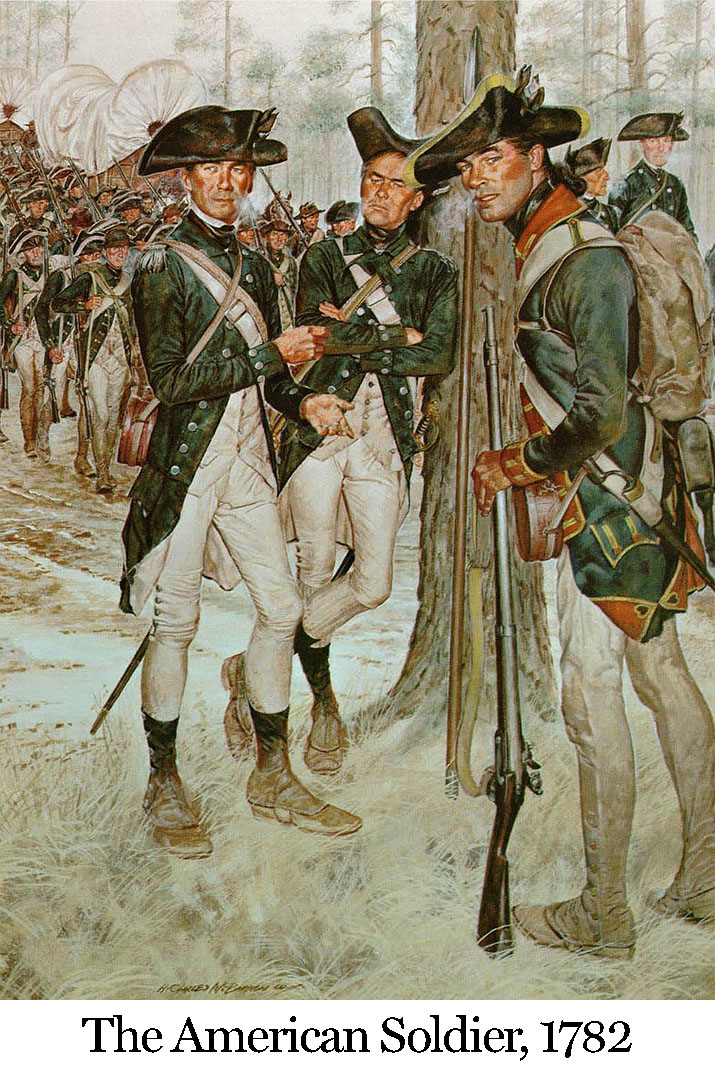 Ultimately, Washington’s experiment failed, and the Flying Camp was disbanded in late
November, 1776. After Christmas that same year, Washington requested new regiments
to be added to the Continental Army, seeking the advantage of employing professional
soldiers rather than “mere militia.” The Continental Congress directly delegated the
formation of these new regiments to General Washington himself.
Ultimately, Washington’s experiment failed, and the Flying Camp was disbanded in late
November, 1776. After Christmas that same year, Washington requested new regiments
to be added to the Continental Army, seeking the advantage of employing professional
soldiers rather than “mere militia.” The Continental Congress directly delegated the
formation of these new regiments to General Washington himself.